Cherry trees in full bloom cover the slopes of Arashiyama, the hilly district west of Kyoto, and their blossom drifts down toward the Ōi River below. Utagawa Hiroshige (1797–1858), the leading landscape designer of late Edo ukiyo-e, drew the scene for his views of Kyoto, a set commonly placed in the mid-1830s. The Japanese title, Arashiyama manka, means Arashiyama in full bloom.
The original was a woodblock print. The drawing was carved into blocks of cherry wood, one block for each colour, and the sheet was printed by hand, the paper pressed against the inked surface. Flat fields of colour, a soft gradation in the sky and the fine line of branch and riverbank all come from that layered process.
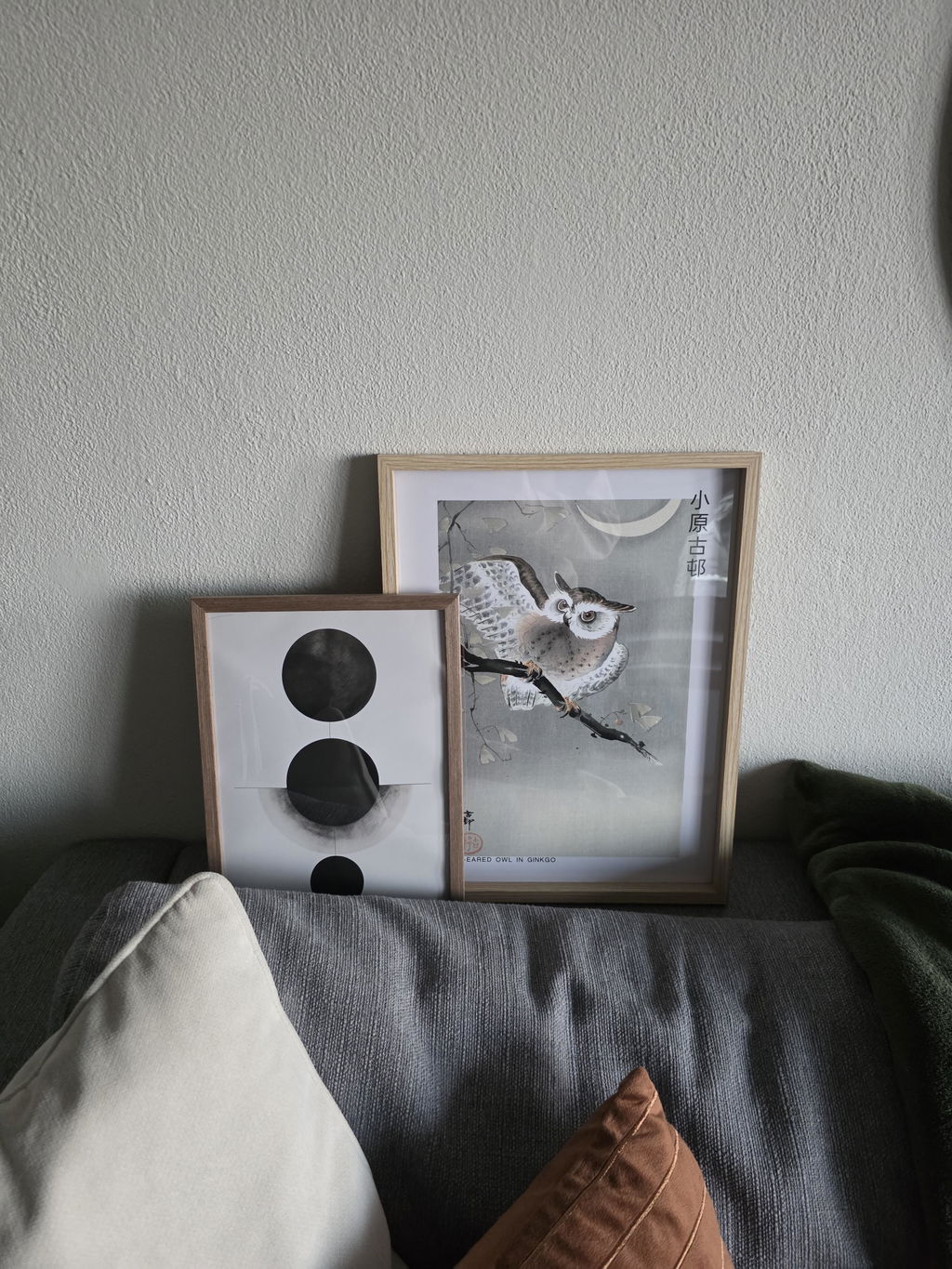
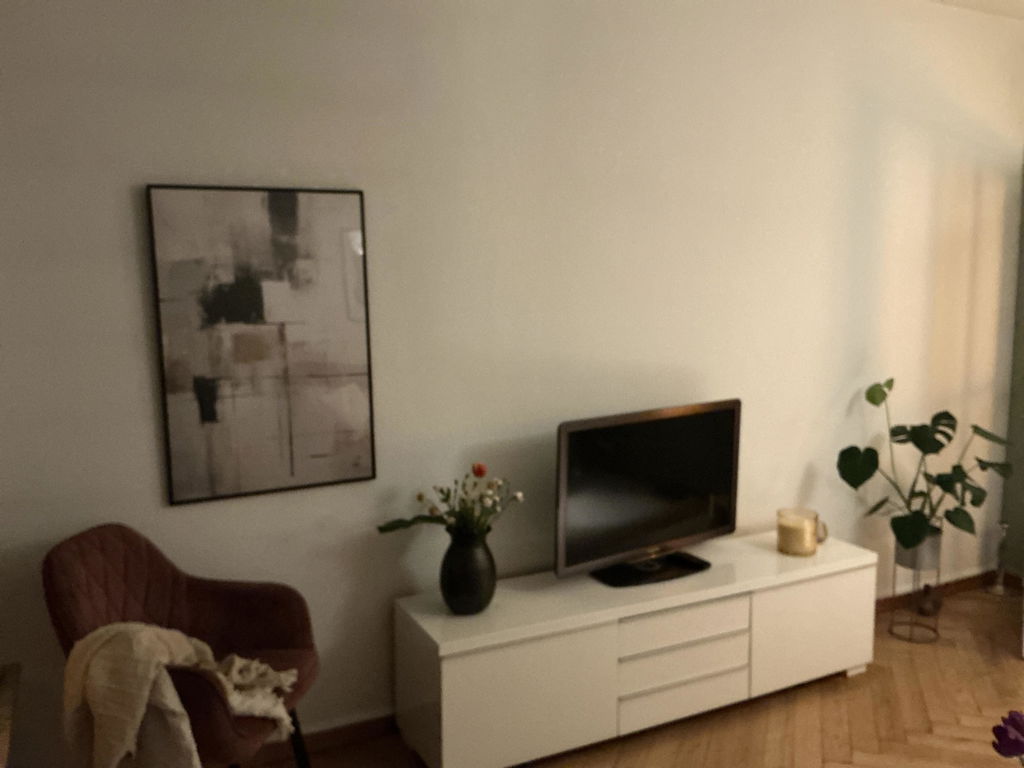
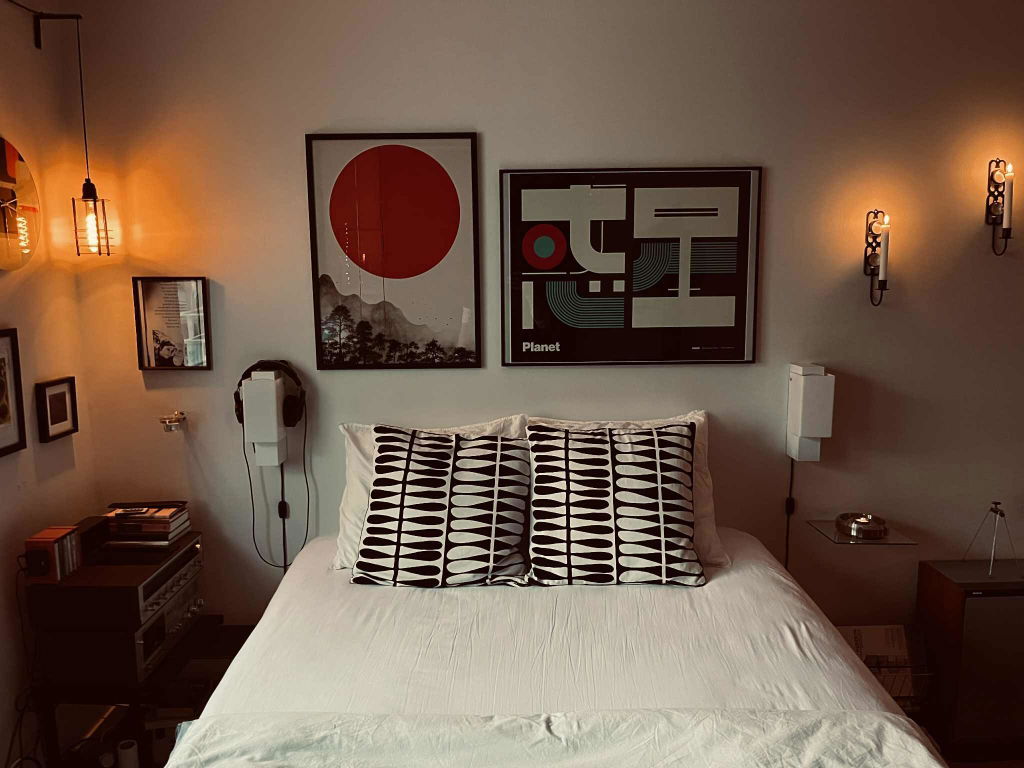
The mood is unhurried. Muted greens and pale pinks sit quietly beside oak, linen and undyed wool, and the open stretch of river gives the eye a place to rest. In a living room, bedroom or study, the print reads like a window onto a slow spring morning rather than a loud fo . . . Read More >>
Cherry trees in full bloom cover the slopes of Arashiyama, the hilly district west of Kyoto, and their blossom drifts down toward the Ōi River below. Utagawa Hiroshige (1797–1858), the leading landscape designer of late Edo ukiyo-e, drew the scene for his views of Kyoto, a set commonly placed in the mid-1830s. The Japanese title, Arashiyama manka, means Arashiyama in full bloom.
The original was a woodblock print. The drawing was carved into blocks of cherry wood, one block for each colour, and the sheet was printed by hand, the paper pressed against the inked surface. Flat fields of colour, a soft gradation in the sky and the fine line of branch and riverbank all come from that layered process.
The mood is unhurried. Muted greens and pale pinks sit quietly beside oak, linen and undyed wool, and the open stretch of river gives the eye a place to rest. In a living room, bedroom or study, the print reads like a window onto a slow spring morning rather than a loud focal point.
Each piece is made to order. Choose the artwork on thick snow-white paper, as a framed print behind shatter-resistant acrylic, or on satin-coated cotton canvas in artist quality, stretched on a wooden frame.
Frequently asked questions
What does the title Arashiyama Manka mean?
Arashiyama is a hilly district west of Kyoto, long loved for its cherry trees. Manka means full bloom, so the title names the moment the blossom reaches its peak above the river.
Which series does this print belong to?
It is commonly placed among Hiroshige's famous views of Kyoto, a set of calm landscape prints of the old capital dating from the mid-1830s.
How was the original print made?
As a Japanese woodblock print. Separate cherry-wood blocks were carved for the outline and for each colour, then printed by hand to build up the finished image.
Which rooms suit this artwork?
Its soft greens and pinks and the calm river view fit japandi and Scandinavian interiors, beside natural wood, linen and light walls.
<< Read Less
Japan historical period: Edo 江戸 (1603-1868)
Check out other artwork of Utagawa Hiroshige
#Arashiyama
•
#Blossoms
•
#Boat
•
#Cherry Blossom
•
#Edo
•
#Ferry
•
#Figures
•
#Japan
•
#Japanese Woodblock Print
•
#Landscape
•
#Meisho-E
•
#Raft
•
#River
•
#Riverbank
•
#Scenic
•
#Snow
•
#Spring
•
#Traditional Japanese Art
•
#Ukiyo-E
•
#Utagawa Hiroshige
•
#Winter