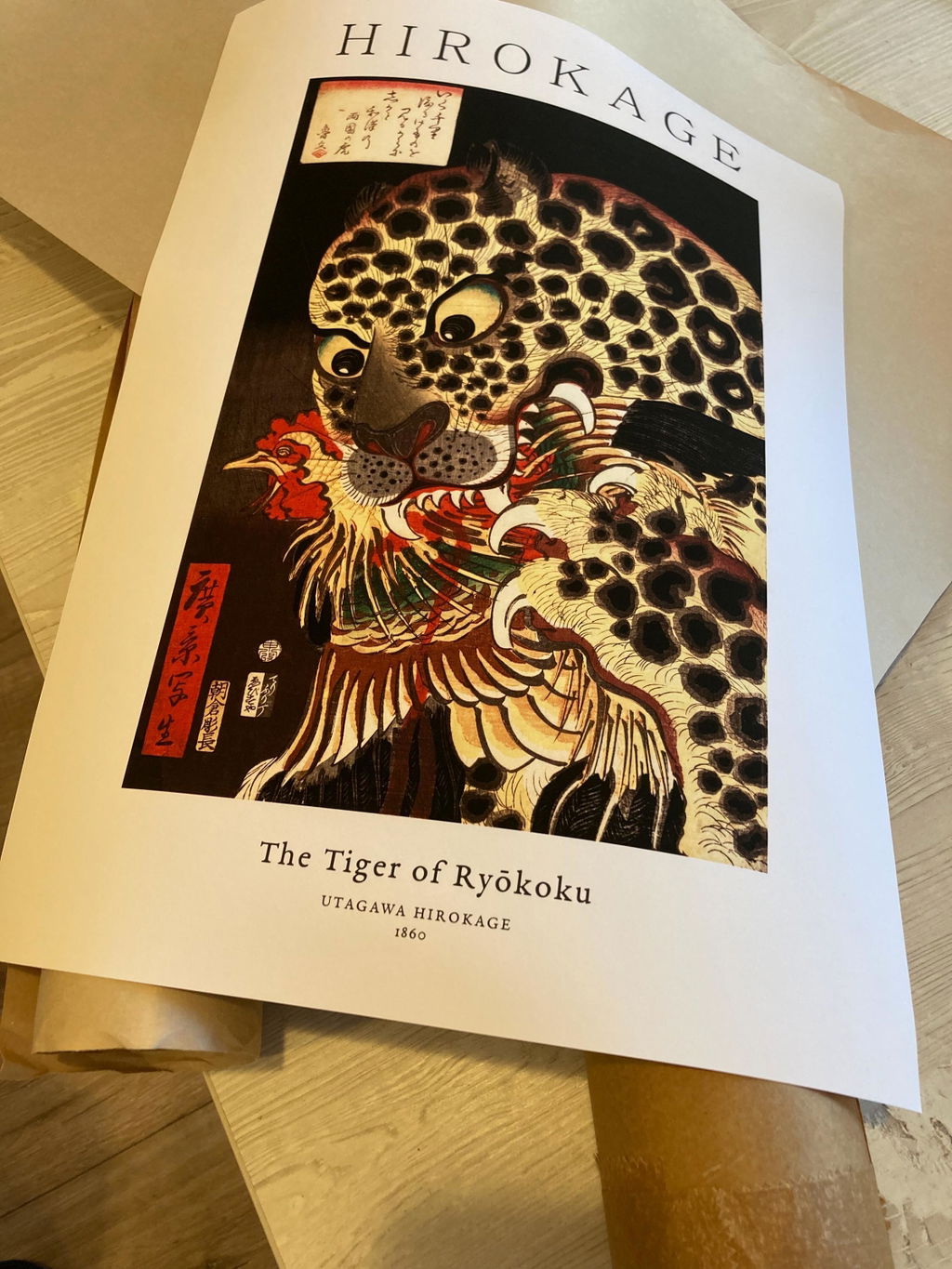
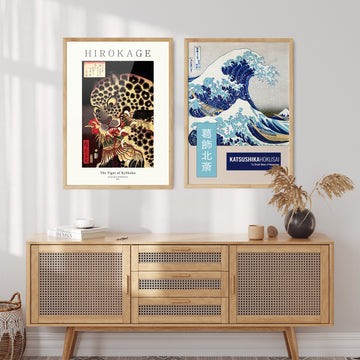
Utagawa Hirokage (active circa 1855–1865) was a Japanese Ukiyo-e woodblock print artist, primarily known for his comedic and often satirical works. He is generally believed to have been a student of the renowned landscape artist Utagawa Hiroshige (Andō Hiroshige). While his master was famous for poetic and atmospheric landscapes, Hirokage carved out a niche for himself with a more humorous and lighthearted approach to Ukiyo-e.
Hirokage's most famous work is the series 'Comical Views of Famous Places in Edo' (Edo meisho dōke zukushi), published around 1859. This series consists of about 50 prints and playfully parodies famous locations in Edo (now Tokyo) that were often depicted in more serious landscape series by artists like Hiroshige himself. In Hirokage's versions, these well-known scenes are populated with figures engaged in slapstick situations, exaggerated mishaps, and general comical chaos. For example, a famous bridge might be the scene of people tumbling into the water, or a serene t . . . Read More >>
Utagawa Hirokage (active circa 1855–1865) was a Japanese Ukiyo-e woodblock print artist, primarily known for his comedic and often satirical works. He is generally believed to have been a student of the renowned landscape artist Utagawa Hiroshige (Andō Hiroshige). While his master was famous for poetic and atmospheric landscapes, Hirokage carved out a niche for himself with a more humorous and lighthearted approach to Ukiyo-e.
Hirokage's most famous work is the series 'Comical Views of Famous Places in Edo' (Edo meisho dōke zukushi), published around 1859. This series consists of about 50 prints and playfully parodies famous locations in Edo (now Tokyo) that were often depicted in more serious landscape series by artists like Hiroshige himself. In Hirokage's versions, these well-known scenes are populated with figures engaged in slapstick situations, exaggerated mishaps, and general comical chaos. For example, a famous bridge might be the scene of people tumbling into the water, or a serene temple view might be disrupted by clumsy antics. His style is characterized by lively figures, expressive (often exaggerated) faces, and a clear narrative, designed to amuse the viewer. The humor is often broad and visual, relying on physical comedy and absurd situations. This type of comedic print, or giga-e, had a long tradition in Japanese art, and Hirokage's work fits into this genre. Beyond this main series, Hirokage also produced other comedic prints and some more conventional subjects, but it is his 'Comical Views' that secured his reputation.
He was active during the late Edo period, a time when Ukiyo-e was still a vibrant popular art form. His contemporaries, apart from his teacher Hiroshige, included other Utagawa school artists like Kunisada and Kuniyoshi, who also sometimes incorporated humor into their works, though Kuniyoshi's humor was often more satirical or fantastical. Hirokage's approach was more directly focused on everyday comedic scenarios.
Information about Hirokage's personal life is scarce, as is common for many Ukiyo-e artists who were not top-tier masters. However, his work provides a delightful contrast to the more serious or romantic themes often found in Ukiyo-e, offering a glimpse into the playful side of Edo popular culture. His prints demonstrate that Ukiyo-e catered to a wide range of tastes, including the desire for amusement and laughter.
Utagawa Hirokage's legacy is that of a skilled humorist within the Ukiyo-e tradition, whose work continues to bring a smile to viewers' faces.
If you want to know more about the artist: Utagawa Hirokage - Wikipedia
<< Read Less