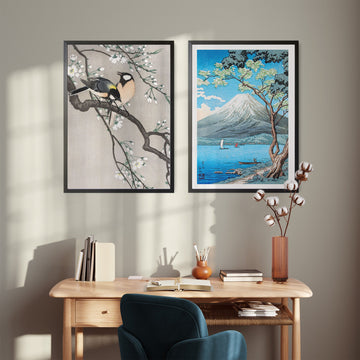
Mount Ashitaka rises in Shizuoka Prefecture, near Suruga Bay and within sight of Mount Fuji — country that Takahashi Shōtei (1871–1945) returned to often in his landscape designs. This early twentieth-century woodblock print looks across the low ground at the mountain's foot, a view built from open distance and quiet weather. Shōtei worked at the start of the shin-hanga movement, the revival that brought a new feeling for atmosphere to traditional Japanese printmaking.
The print was made in the classic shin-hanga manner: the design drawn by the artist, each colour carved into its own cherry-wood block, the pigments printed by hand. Much of the mood comes from bokashi, the hand-wiped gradation that lets one tone dissolve into another — the technique behind the soft skies and hazy distances that mark Shōtei's landscapes.
This is a picture of low horizons and unforced space, and it carries that quality into a room. In a japandi or Scandinavian interior its muted pa . . . Read More >>
Mount Ashitaka rises in Shizuoka Prefecture, near Suruga Bay and within sight of Mount Fuji — country that Takahashi Shōtei (1871–1945) returned to often in his landscape designs. This early twentieth-century woodblock print looks across the low ground at the mountain's foot, a view built from open distance and quiet weather. Shōtei worked at the start of the shin-hanga movement, the revival that brought a new feeling for atmosphere to traditional Japanese printmaking.
The print was made in the classic shin-hanga manner: the design drawn by the artist, each colour carved into its own cherry-wood block, the pigments printed by hand. Much of the mood comes from bokashi, the hand-wiped gradation that lets one tone dissolve into another — the technique behind the soft skies and hazy distances that mark Shōtei's landscapes.
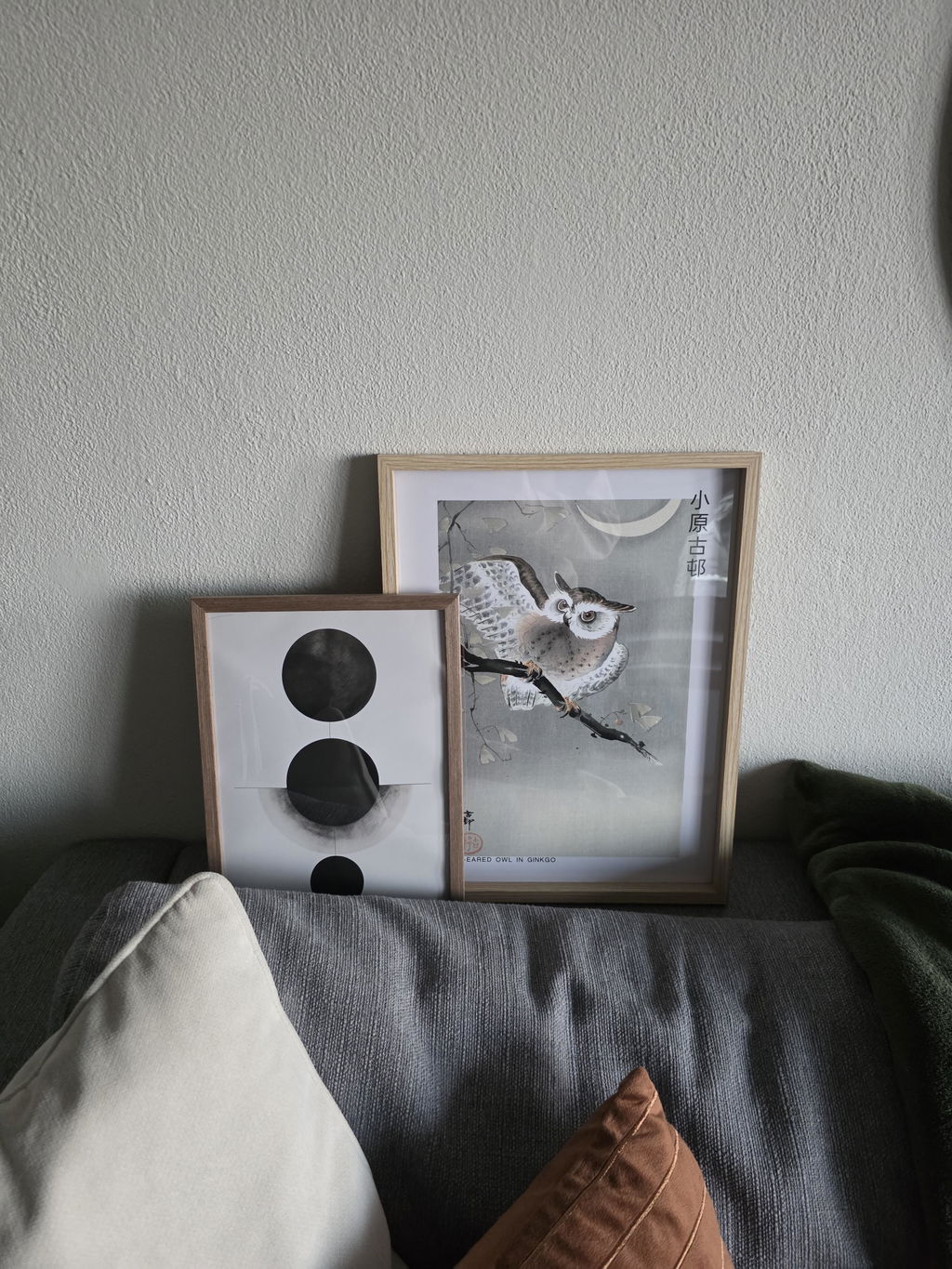
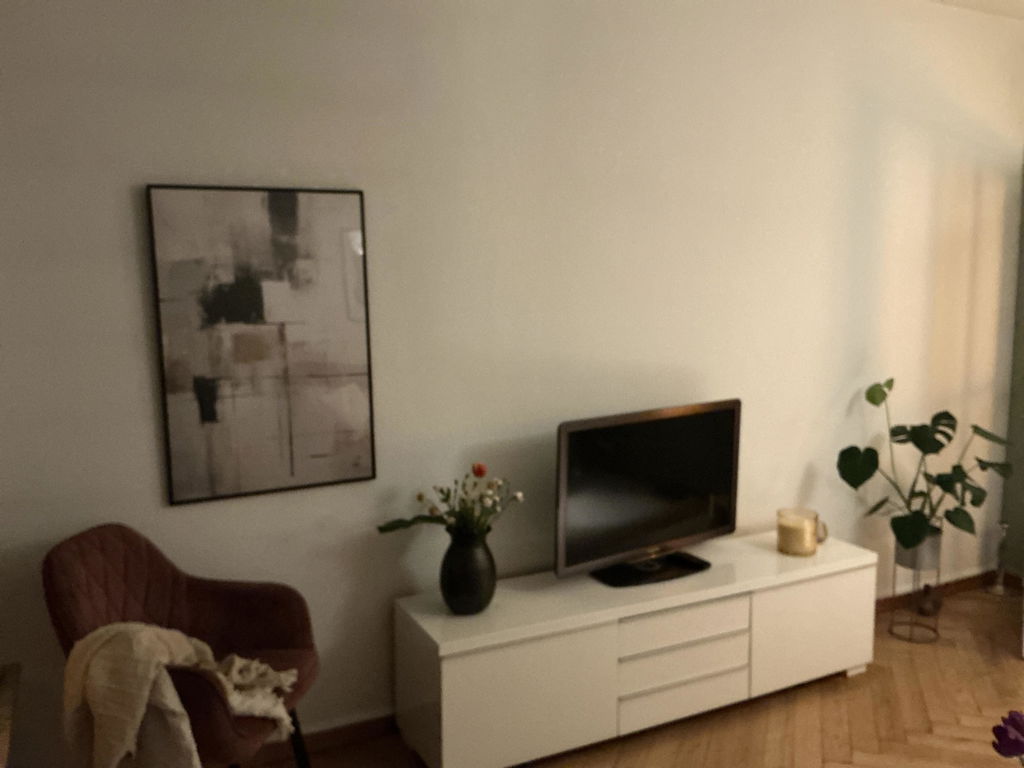
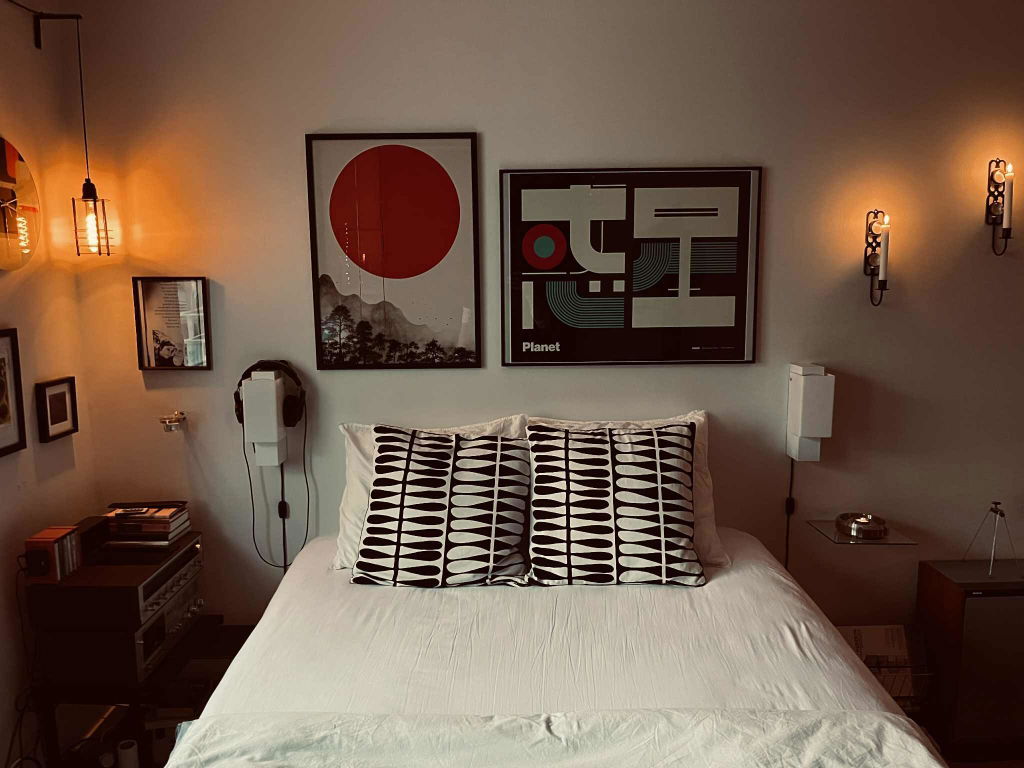
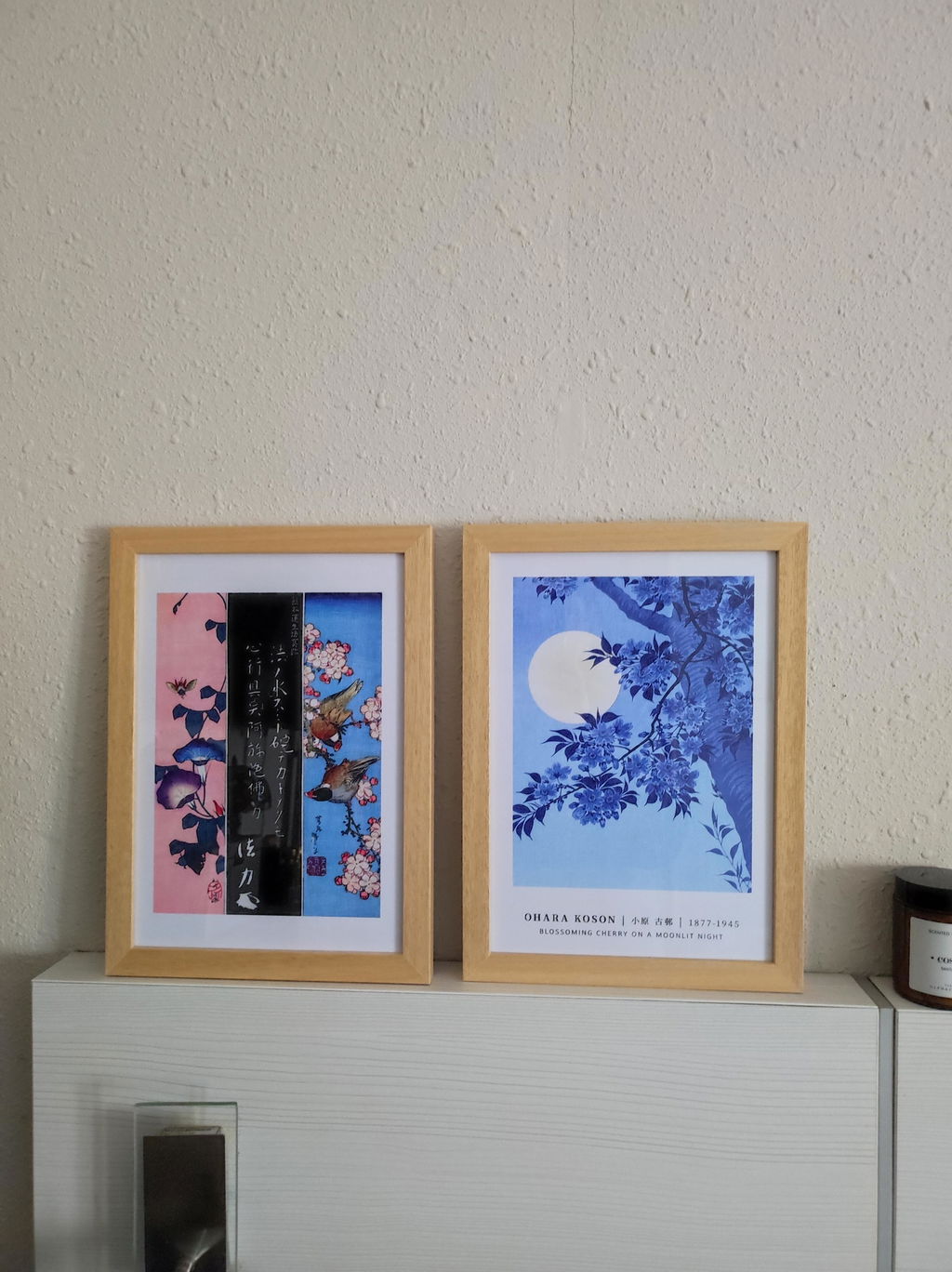
This is a picture of low horizons and unforced space, and it carries that quality into a room. In a japandi or Scandinavian interior its muted palette reads almost as a neutral, while the suggestion of open country gives the wall depth. It does its best work where calm is wanted: a bedroom, a hallway, a place to read.
The work is available as an art print on thick matte paper, as a framed print behind shatter-resistant acrylic glazing, or on satin-coated cotton canvas. Each format preserves the graded tones and quiet detail of the original woodblock design.
Frequently asked questions
Where is Mount Ashitaka?
In Shizuoka Prefecture in central Japan, near Suruga Bay and close to Mount Fuji. The print looks across the lower ground toward its slopes.
What is shin-hanga?
Shin-hanga, meaning “new prints”, was an early twentieth-century revival of Japanese woodblock printing. It kept the traditional crafts of carving and hand-printing while bringing a fresh feeling for light, weather and mood.
What gives the print its soft, hazy quality?
Mainly bokashi, a gradation made by wiping ink across the block by hand, together with a muted palette. The tones blur into one another the way distance does in open country.
Which room suits this landscape?
Its calm tone fits a bedroom, a hallway or a study — any place where a quiet, open view helps the room feel settled.
<< Read Less
Japan historical period: Showa 昭和 (1926-1989)
Place of origin:
Chubu region
Check out other artwork of Takahashi Shōtei
#Autumn
•
#Autumn Foliage
•
#Coastline
•
#Japan
•
#Japanese Landscape
•
#Japanese Woodblock Print
•
#Landscape
•
#Mount Fuji
•
#Nature
•
#Rapids
•
#River
•
#Rock
•
#Rocky Terrain
•
#Shin-Hanga
•
#Takahashi Hiroaki (Shōtei)
•
#Takahashi Shōtei
•
#Valley