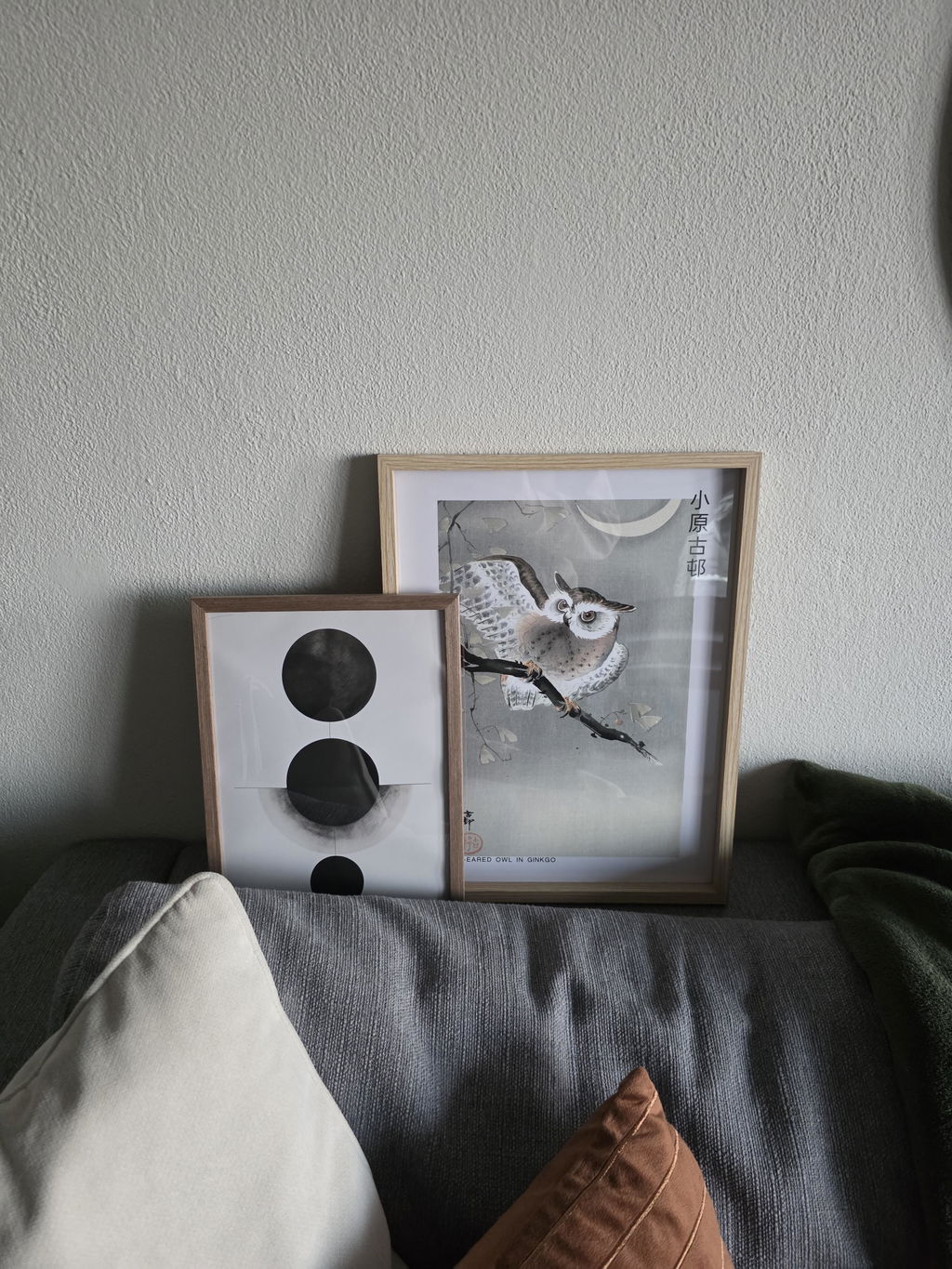
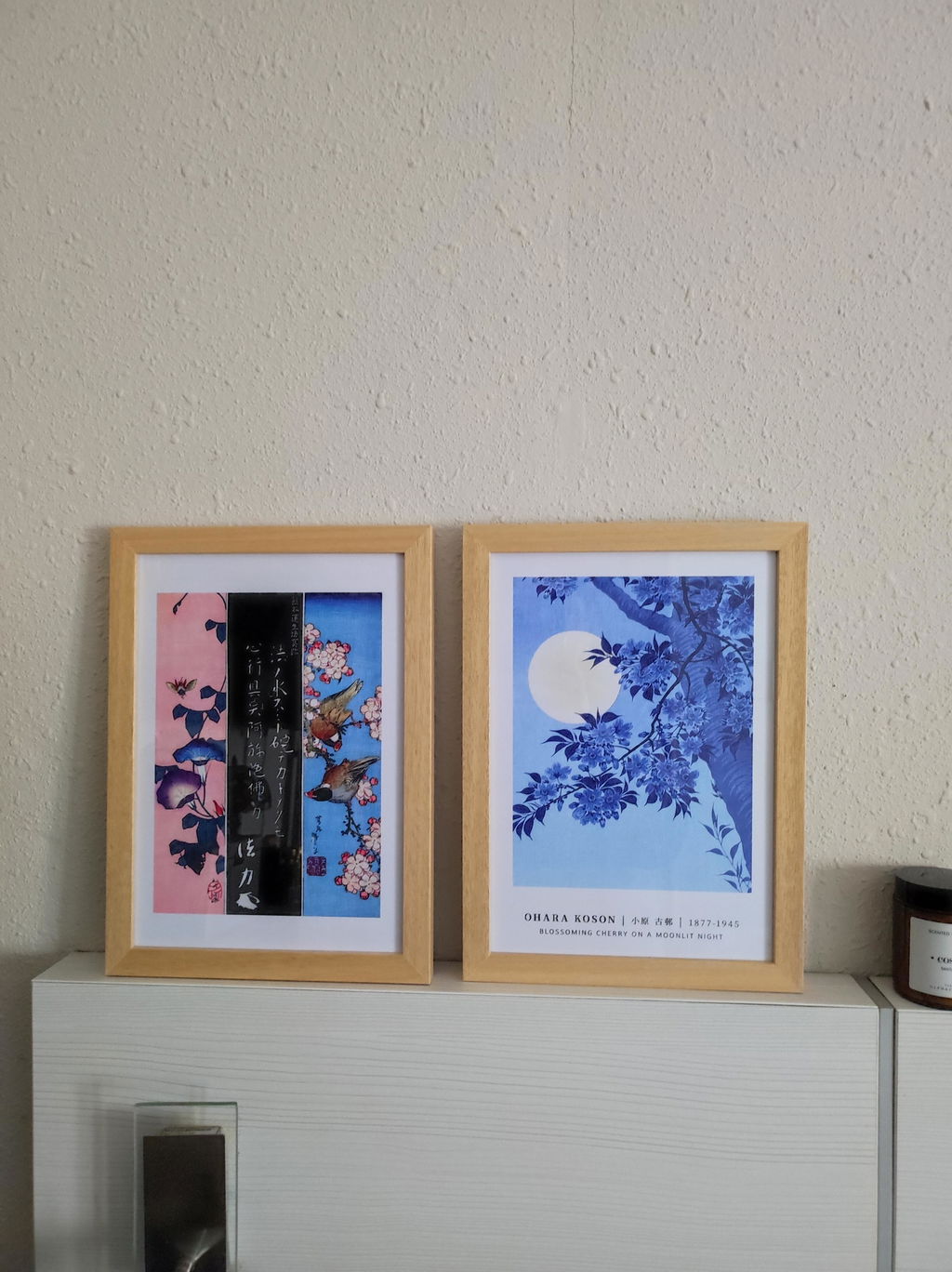
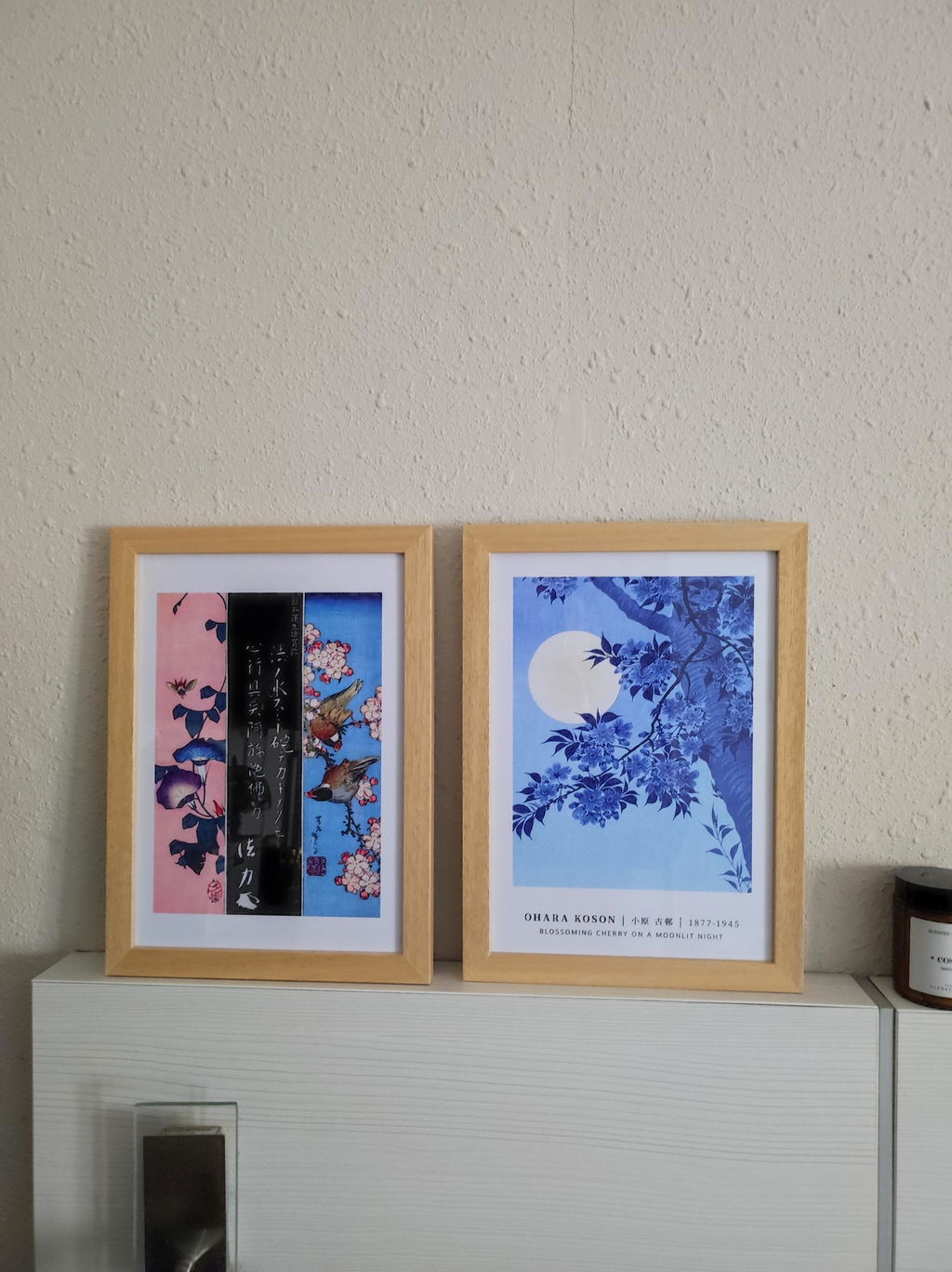
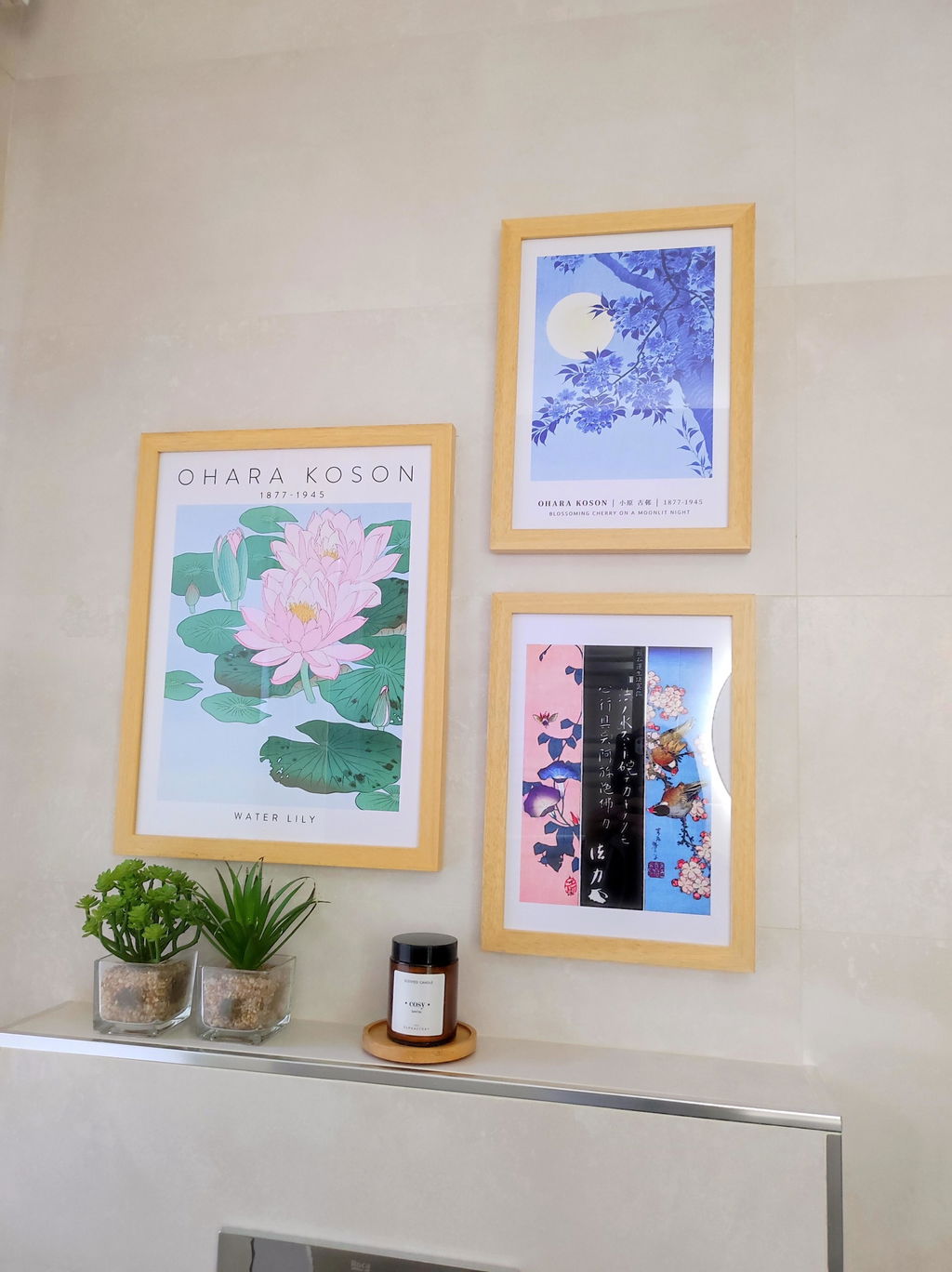
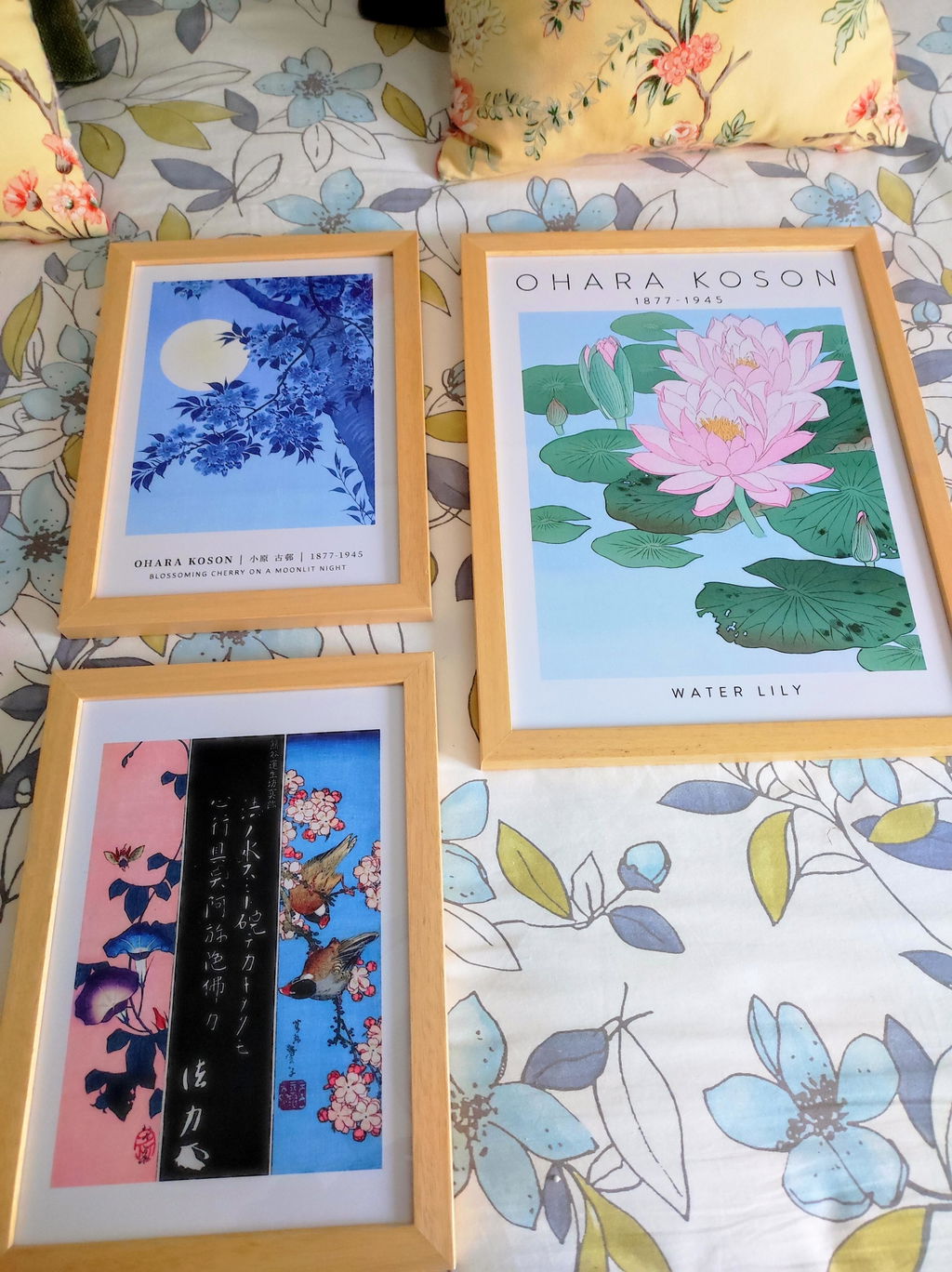
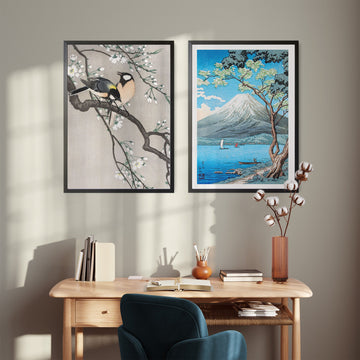
Ohara Koson (1877–1945), who also used the art names Shōson and Hōson, was one of the foremost Japanese artists of the Shin-Hanga ('new prints') movement, particularly celebrated for his exquisite kachō-e (bird-and-flower pictures) and animal prints.
Born Ohara Matao in Kanazawa, Ishikawa Prefecture, he initially studied Nihonga (Japanese-style painting) under Suzuki Kason in Tokyo. His early career included illustrating books and Russo-Japanese War scenes. Around 1900, he began designing woodblock prints, initially working with publishers like Daikokuya and Kokkeidō. These early works often depicted scenes from the Russo-Japanese War, but his true passion and talent lay in capturing the beauty of the natural world.
The pivotal moment in Koson's printmaking career came arou . . . Read More >>
Ohara Koson (1877–1945), who also used the art names Shōson and Hōson, was one of the foremost Japanese artists of the Shin-Hanga ('new prints') movement, particularly celebrated for his exquisite kachō-e (bird-and-flower pictures) and animal prints.
Born Ohara Matao in Kanazawa, Ishikawa Prefecture, he initially studied Nihonga (Japanese-style painting) under Suzuki Kason in Tokyo. His early career included illustrating books and Russo-Japanese War scenes. Around 1900, he began designing woodblock prints, initially working with publishers like Daikokuya and Kokkeidō. These early works often depicted scenes from the Russo-Japanese War, but his true passion and talent lay in capturing the beauty of the natural world.
The pivotal moment in Koson's printmaking career came around 1926 when he started collaborating with the publisher Shōzaburō Watanabe, a key figure in the Shin-Hanga movement. Watanabe encouraged artists to create designs that would appeal to Western tastes while maintaining traditional Japanese techniques and aesthetics. Under Watanabe, Koson, now often using the name Shōson, focused almost exclusively on kachō-e. His prints from this period are characterized by their realistic yet poetic depictions of birds, animals, insects, and plants. He had a remarkable ability to capture the intricate details of plumage, fur, and foliage, as well as the characteristic poses and movements of his subjects. His compositions are often elegant and harmonious, set against subtly colored or unadorned backgrounds that emphasize the main subject. Common themes include crows on snowy branches, herons by water, majestic eagles, playful monkeys, and delicate flowers.
While his work for Watanabe was primarily aimed at the export market, Koson also collaborated with other publishers, such as Kawaguchi & Sakai, under the name Hōson. These prints are sometimes considered even more painterly and nuanced. Koson's contemporaries in the Shin-Hanga movement included landscape artists like Hasui Kawase and artists of bijin-ga like Goyō Hashiguchi. Koson carved out a distinct niche as the leading kachō-e artist of his generation within this movement. His dedication to natural subjects and his meticulous technique set him apart.
He continued to produce prints throughout the 1930s, and his work remains highly popular among collectors today for its beauty, accuracy, and the tranquil atmosphere it evokes.
Ohara Koson's legacy is that of an artist who revitalized the kachō-e genre within the Shin-Hanga framework, creating timeless images that celebrate the delicate and often overlooked wonders of the natural world.
If you want to know more about the artist: Ohara Koson - Wikipedia
<< Read Less