A wide, low horizon runs across the lower third of the frame. Below it, a still marsh plain holds the last cool tones of night; above, the sky opens into the warm light of early dawn. The colours move in soft horizontal bands — pale amber, dusty rose, a quiet grey-blue at the edges. There are no hard outlines here, no figures, no detail to fix the eye. The plain reads as desert and wetland at once: flat, patient, lit from a sun still below the line of sight.
The image is built from soft graded tonal washes. Each band of colour dissolves into the next without a visible seam, in the manner of East Asian ink-and-wash gradation, where pigment is pulled across damp ground until tone fades to nothing. The minimalist treatment shares its logic with mid-century colour-field painting — the broad, breathing fields of Rothko, the disciplined restraint of Agnes Martin — translated into a contemporary japandi idiom of warm neutrals and open space. Technique stays quiet so the light . . . Read More >>
A wide, low horizon runs across the lower third of the frame. Below it, a still marsh plain holds the last cool tones of night; above, the sky opens into the warm light of early dawn. The colours move in soft horizontal bands — pale amber, dusty rose, a quiet grey-blue at the edges. There are no hard outlines here, no figures, no detail to fix the eye. The plain reads as desert and wetland at once: flat, patient, lit from a sun still below the line of sight.
The image is built from soft graded tonal washes. Each band of colour dissolves into the next without a visible seam, in the manner of East Asian ink-and-wash gradation, where pigment is pulled across damp ground until tone fades to nothing. The minimalist treatment shares its logic with mid-century colour-field painting — the broad, breathing fields of Rothko, the disciplined restraint of Agnes Martin — translated into a contemporary japandi idiom of warm neutrals and open space. Technique stays quiet so the light can carry the picture.
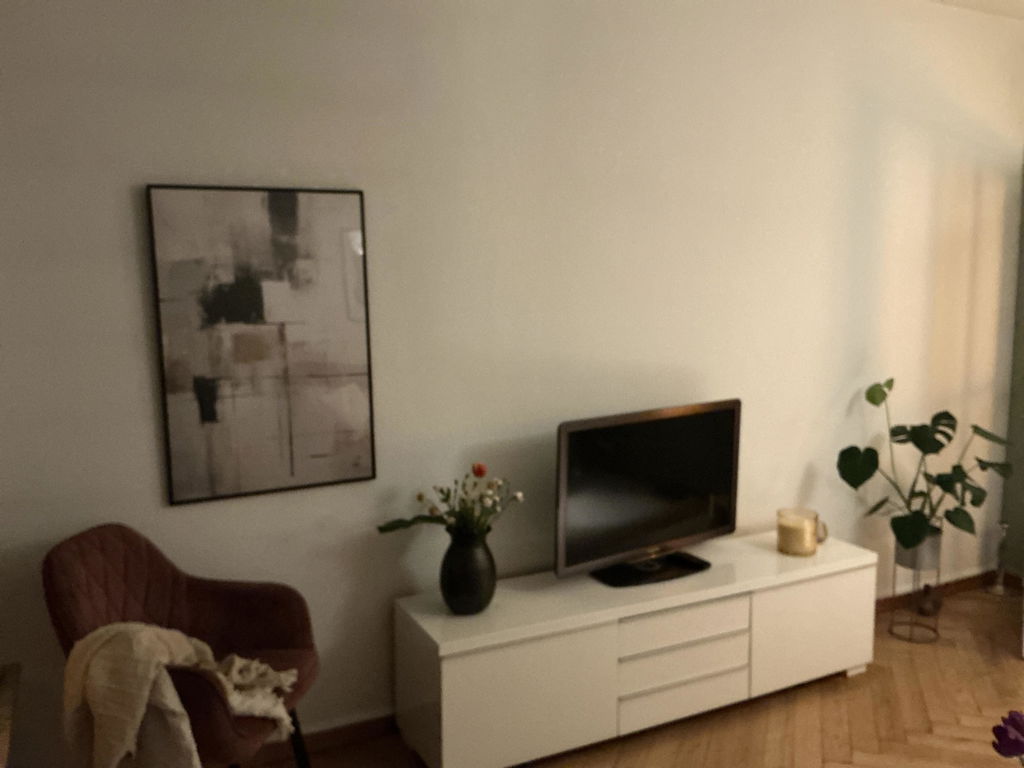
On a wall, the piece settles a room rather than filling it. The low horizon and warm tones suit a bedroom above the headboard, a hallway that needs depth without clutter, or a study where the eye wants somewhere soft to rest. It pairs with pale wood, linen, and unpainted ceramic, and it holds its calm whether hung alone or in a quiet pair. Morning light flatters the amber; lamplight at evening deepens the rose.
Choose the format that suits the room. On fine art paper the matte surface holds the soft tonal gradations; framed behind shatter-resistant acrylic it gains depth and a clean edge; on satin-coated cotton canvas the bands settle into the weave for a warmer, textile feel.
Frequently asked questions
What is shown in this artwork?
A tranquil marsh plain at dawn under a wide, low horizon. Warm amber and rose tones rise into the sky while cooler tones hold the ground, with no hard outlines or detail.
What technique gives it that soft look?
The image is made of soft graded tonal washes. Bands of colour blend seamlessly into one another, echoing East Asian ink-and-wash gradation and mid-century colour-field minimalism.
Which rooms suit this poster?
Its calm horizon and warm neutrals work well above a bed, in a hallway, or in a study. It sits comfortably beside pale wood, linen, and natural ceramic.
What formats are available?
Matte fine art paper, a framed print behind shatter-resistant acrylic, or satin-coated cotton canvas. Each handles the tonal gradations a little differently — paper keeps them matte, acrylic adds depth, canvas adds texture.
<< Read Less
#Abstract
•
#Abstract Landscape
•
#Landscape
•
#Marsh Plain
•
#Minimalist
•
#Modern