A single crane drifts in silhouette against a bright sky, wings extended to full reach. Below the bird, a stylised landscape of patterned mountains and wave forms fills the lower half of the composition — each zone rendered with its own geometric texture, dividing the terrain into clearly legible registers. The crane floats above, unmarked by pattern, its form defined by its contour alone.
The crane is one of the most enduring images in Japanese and East Asian visual culture, tied to longevity, fidelity, and the freedom of unhindered flight. In this composition the bird is reduced to its silhouette while the landscape beneath is intricately detailed — a tension between the simple and the filigree that sits at the centre of Japandi design. The wave and mountain motifs draw on the repertoire of the ukiyo-e printmakers, while the geometric fill patterns read as contemporary.
The bright ground and balanced composition make this an unfussy work — one that holds its p . . . Read More >>
A single crane drifts in silhouette against a bright sky, wings extended to full reach. Below the bird, a stylised landscape of patterned mountains and wave forms fills the lower half of the composition — each zone rendered with its own geometric texture, dividing the terrain into clearly legible registers. The crane floats above, unmarked by pattern, its form defined by its contour alone.
The crane is one of the most enduring images in Japanese and East Asian visual culture, tied to longevity, fidelity, and the freedom of unhindered flight. In this composition the bird is reduced to its silhouette while the landscape beneath is intricately detailed — a tension between the simple and the filigree that sits at the centre of Japandi design. The wave and mountain motifs draw on the repertoire of the ukiyo-e printmakers, while the geometric fill patterns read as contemporary.
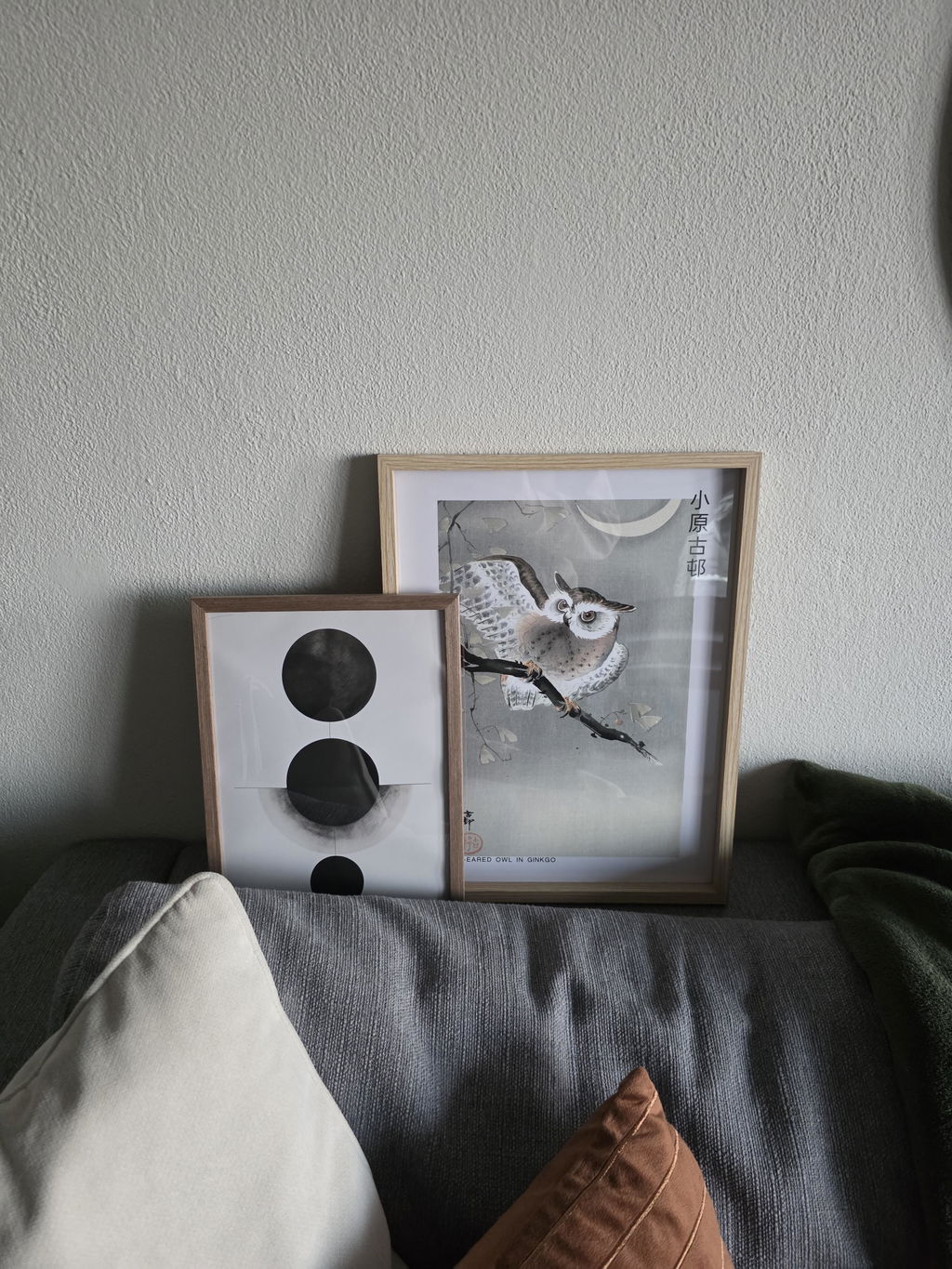
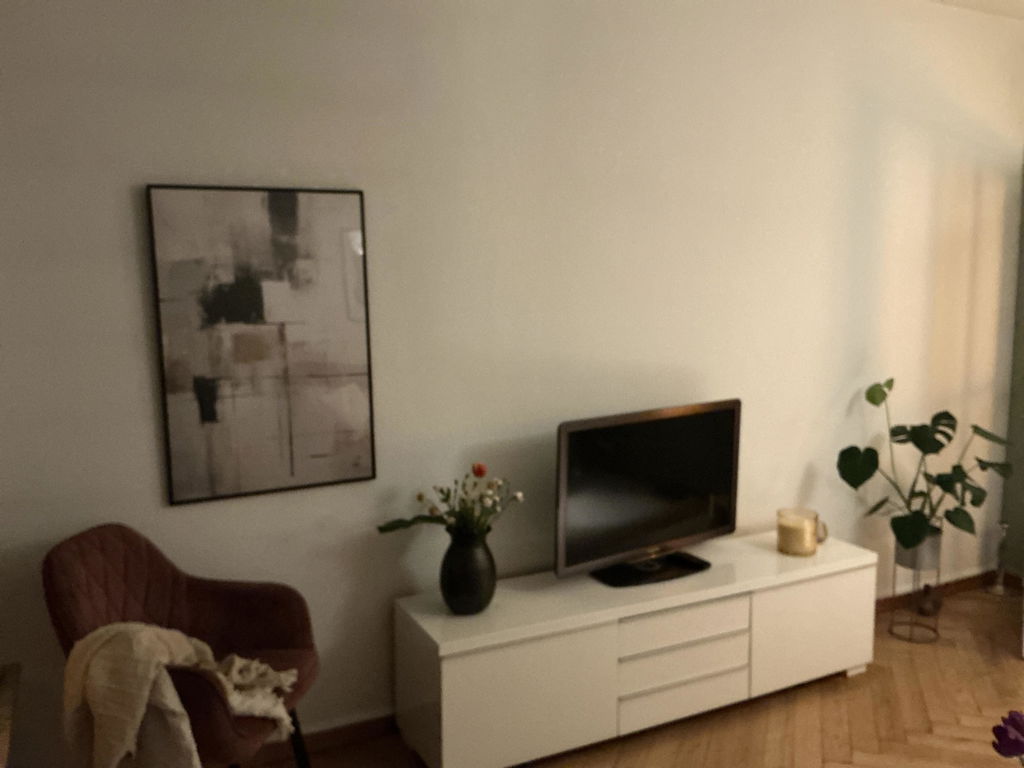
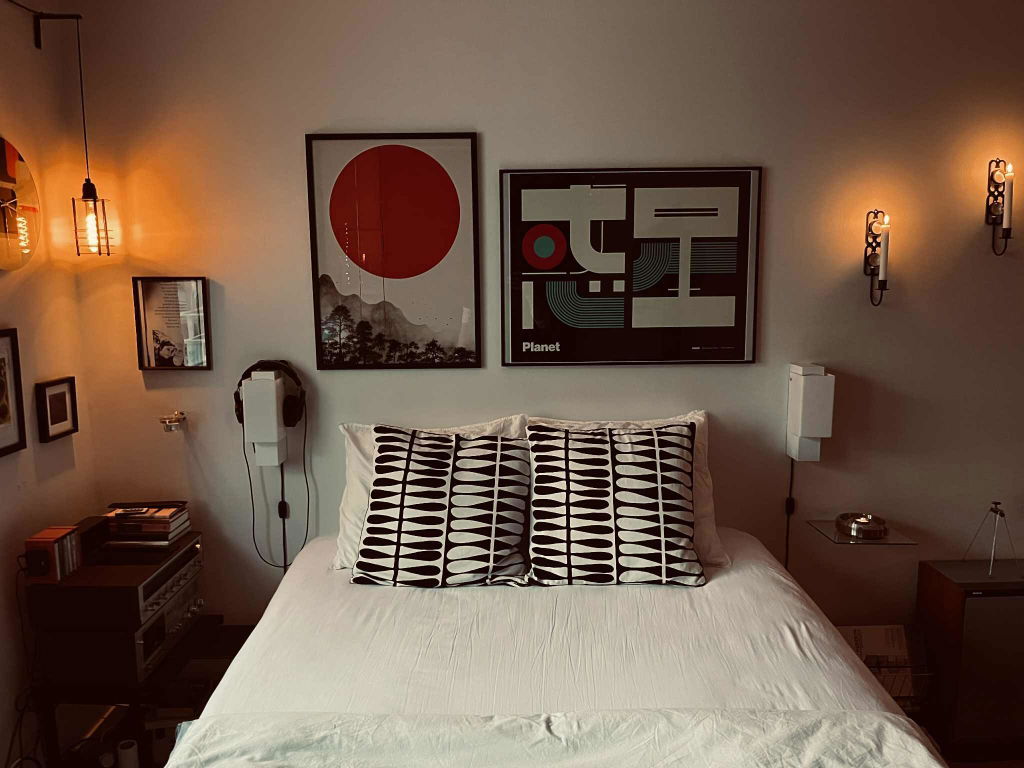
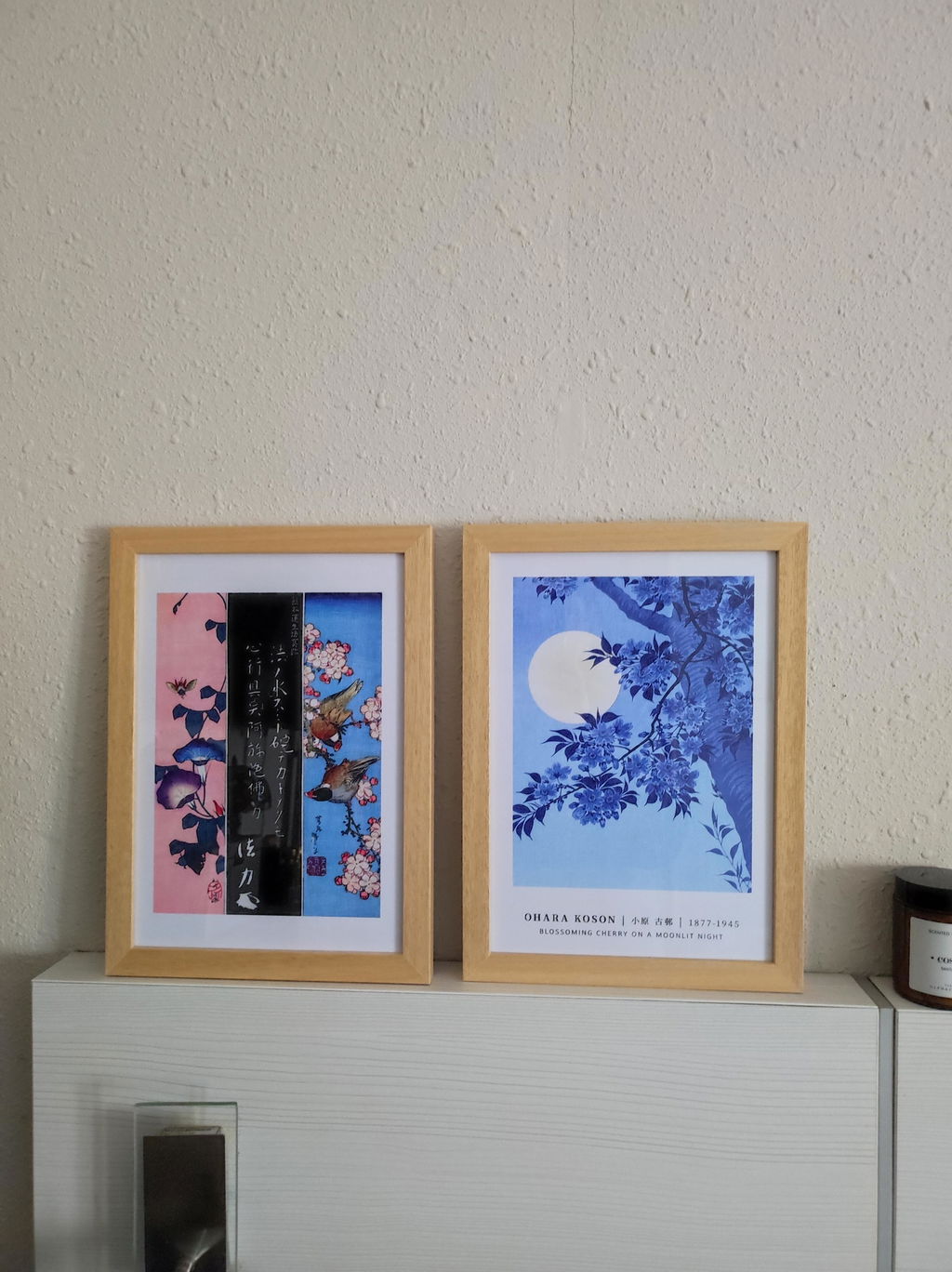
The bright ground and balanced composition make this an unfussy work — one that holds its place beside bolder prints on a gallery wall or serves as a quiet anchor in a room of natural materials. In the bedroom, the crane's upward motion brings a quality of lightness. In the living room, it keeps interest up close without dominating from across the space.
Available as a print on smooth fine art paper, as a framed print with shatter-resistant acrylic glazing, or on satin cotton canvas over a wooden stretcher. No assembly required for the framed and canvas formats.
Frequently asked questions
What does the crane symbolise in Japanese visual culture?
The crane (tsuru) is linked in Japanese and East Asian traditions to longevity, fidelity, and good fortune. Here the bird appears free and unadorned, its silhouette plain, while the detailed landscape gives it a ground.
How are the mountain and wave patterns in the landscape made?
Each zone of the landscape uses its own geometric fill — different patterns to distinguish mountains from water and land. This technique borrows from the vocabulary of ukiyo-e woodblock prints and gives the composition a graphic, contemporary legibility.
Which room settings suit Soaring Crane Harmony?
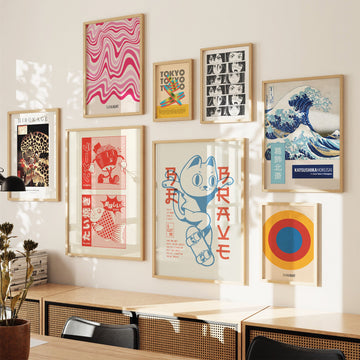
The bright ground and fine lines make the work well suited to Japandi, Scandinavian, and minimalist interiors. In the bedroom the crane brings lightness; in the living room it works as part of a multi-piece gallery wall.
Is the bird shown realistically or stylised?
The crane is rendered as pure silhouette — form without internal detail. This abstraction gives it clarity and graphic weight while directing focus to the fine geometric landscape below.
<< Read Less
#Flat Vector Japanese Minimalism
•
#Gallery-style
•
#Geometric
•
#Japan
•
#Japanese
•
#Japanese Minimalist
•
#Minimalist
•
#Modern