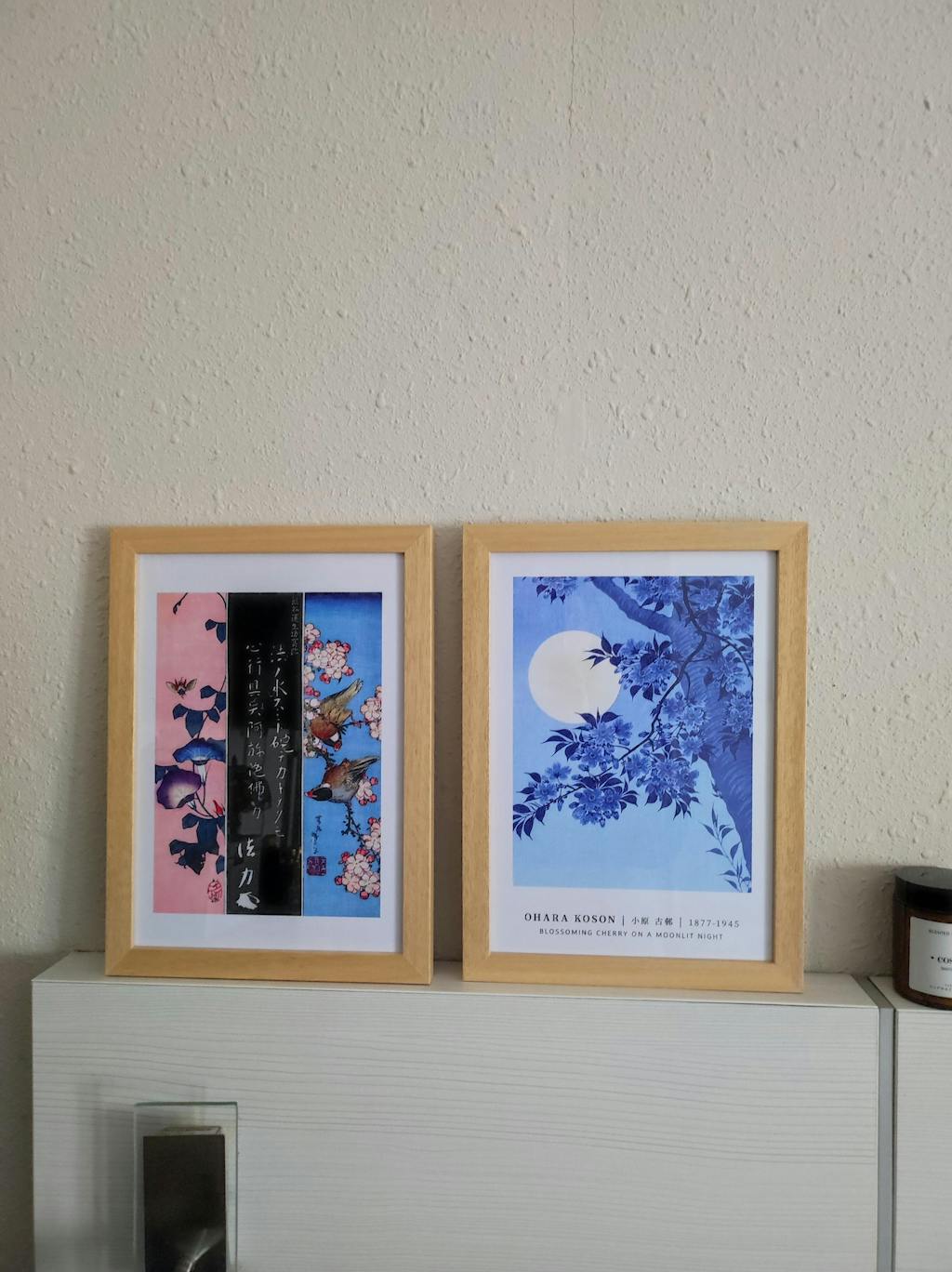
Kubo Shunman (1757–1820), also known as Kubota Yasubei, was a highly versatile and refined Japanese artist, poet, and writer of the late Edo period. He is best known as a master of Ukiyo-e woodblock prints, particularly in the deluxe, privately commissioned format of surimono.
Shunman was active in Edo (now Tokyo) and is believed to have studied under Katori Nahiko, a scholar of classical Japanese literature and a painter, and possibly also Kitao Shigemasa, a prominent Ukiyo-e artist. This diverse education is reflected in the intellectual and artistic breadth of his work.
Shunman's artistic output was varied. He designed bijin-ga (pictures of beautiful women), kachō-ga (bird-and-flower pictures), and scenes from everyday life. However, his most celebrated works are his surimono. Surimono were not sold commercially but were commissioned by poetry circles or individuals to commemorate special occasions, such as New Year's or poetry gatherings. They were often characterized by their exquisite pri . . . Read More >>
Kubo Shunman (1757–1820), also known as Kubota Yasubei, was a highly versatile and refined Japanese artist, poet, and writer of the late Edo period. He is best known as a master of Ukiyo-e woodblock prints, particularly in the deluxe, privately commissioned format of surimono.
Shunman was active in Edo (now Tokyo) and is believed to have studied under Katori Nahiko, a scholar of classical Japanese literature and a painter, and possibly also Kitao Shigemasa, a prominent Ukiyo-e artist. This diverse education is reflected in the intellectual and artistic breadth of his work.
Shunman's artistic output was varied. He designed bijin-ga (pictures of beautiful women), kachō-ga (bird-and-flower pictures), and scenes from everyday life. However, his most celebrated works are his surimono. Surimono were not sold commercially but were commissioned by poetry circles or individuals to commemorate special occasions, such as New Year's or poetry gatherings. They were often characterized by their exquisite printing techniques, including lavish use of expensive pigments, embossing (karazuri), and metallic powders, printed on high-quality paper. Shunman excelled in this demanding format, creating intricate and elegant designs that harmonized beautifully with the accompanying kyōka (humorous, 31-syllable poems) or other texts. His compositions are known for their subtlety, sophisticated color sense, and often, a quiet, understated charm.
He was himself an accomplished kyōka poet, often contributing his own verses to his prints, which added another layer of personal expression and intellectual depth to his work.
This fusion of visual art and literature was a hallmark of his surimono. Shunman was a contemporary of other leading Ukiyo-e artists like Kitagawa Utamaro, Torii Kiyonaga, and Katsushika Hokusai. While Utamaro was famed for his sensuous bijin-ga and Hokusai for his dynamic landscapes and diverse imagery, Shunman carved out a niche with his refined and intellectually stimulating surimono. His work appealed to a cultured and discerning audience. He was also known to be a writer and a calligrapher, further highlighting his multifaceted talents. After around 1800, he seems to have focused more on painting and writing, producing fewer print designs.
Kubo Shunman's legacy is that of an artist-poet who epitomized the sophisticated cultural world of late Edo period Japan. His surimono are particularly prized by collectors for their exquisite craftsmanship, artistic ingenuity, and the intimate connection they offer to the literary and social circles of his time.
If you want to know more about the artist: Shunman - Wikipedia
<< Read Less