Matsumoto Hōji fue un pintor japonés del siglo XVIII vinculado al círculo de los literatos y a las escuelas de pintura a la tinta de influencia zen; apenas se documenta su vida, y sin embargo su pequeño estudio a la tinta de una rana se ha convertido en una de las imágenes de animales más reproducidas del arte japonés. El dibujo pertenece a un capítulo del Edo tardío en el que artistas formados en el sumi-e —la pintura a la tinta de la tradición chan y zen— llevaron la economía de medios al extremo, confiando a una sola pincelada el cuerpo, la postura y el humor de una pequeña criatura. Esta edición monocroma conserva el registro original de tinta sobre papel.
El dibujo se construye con muy pocos trazos. Un trazo curvo da la espalda; otro más corto, debajo, el vientre; dos pequeños puntos de tinta, los ojos. El blanco del papel hace el resto, y aporta la parte inferior, el volumen del cuerpo y el aire alrededor del animal. Un único sello rojo al costado sostiene la comp . . . Leer más >>
Matsumoto Hōji fue un pintor japonés del siglo XVIII vinculado al círculo de los literatos y a las escuelas de pintura a la tinta de influencia zen; apenas se documenta su vida, y sin embargo su pequeño estudio a la tinta de una rana se ha convertido en una de las imágenes de animales más reproducidas del arte japonés. El dibujo pertenece a un capítulo del Edo tardío en el que artistas formados en el sumi-e —la pintura a la tinta de la tradición chan y zen— llevaron la economía de medios al extremo, confiando a una sola pincelada el cuerpo, la postura y el humor de una pequeña criatura. Esta edición monocroma conserva el registro original de tinta sobre papel.
El dibujo se construye con muy pocos trazos. Un trazo curvo da la espalda; otro más corto, debajo, el vientre; dos pequeños puntos de tinta, los ojos. El blanco del papel hace el resto, y aporta la parte inferior, el volumen del cuerpo y el aire alrededor del animal. Un único sello rojo al costado sostiene la composición, del mismo modo que una firma sostiene una caligrafía. La hoja es un ejercicio de la disciplina del pincel del sumi-e: no hay dibujo previo, y la línea debe acertar al primer intento.
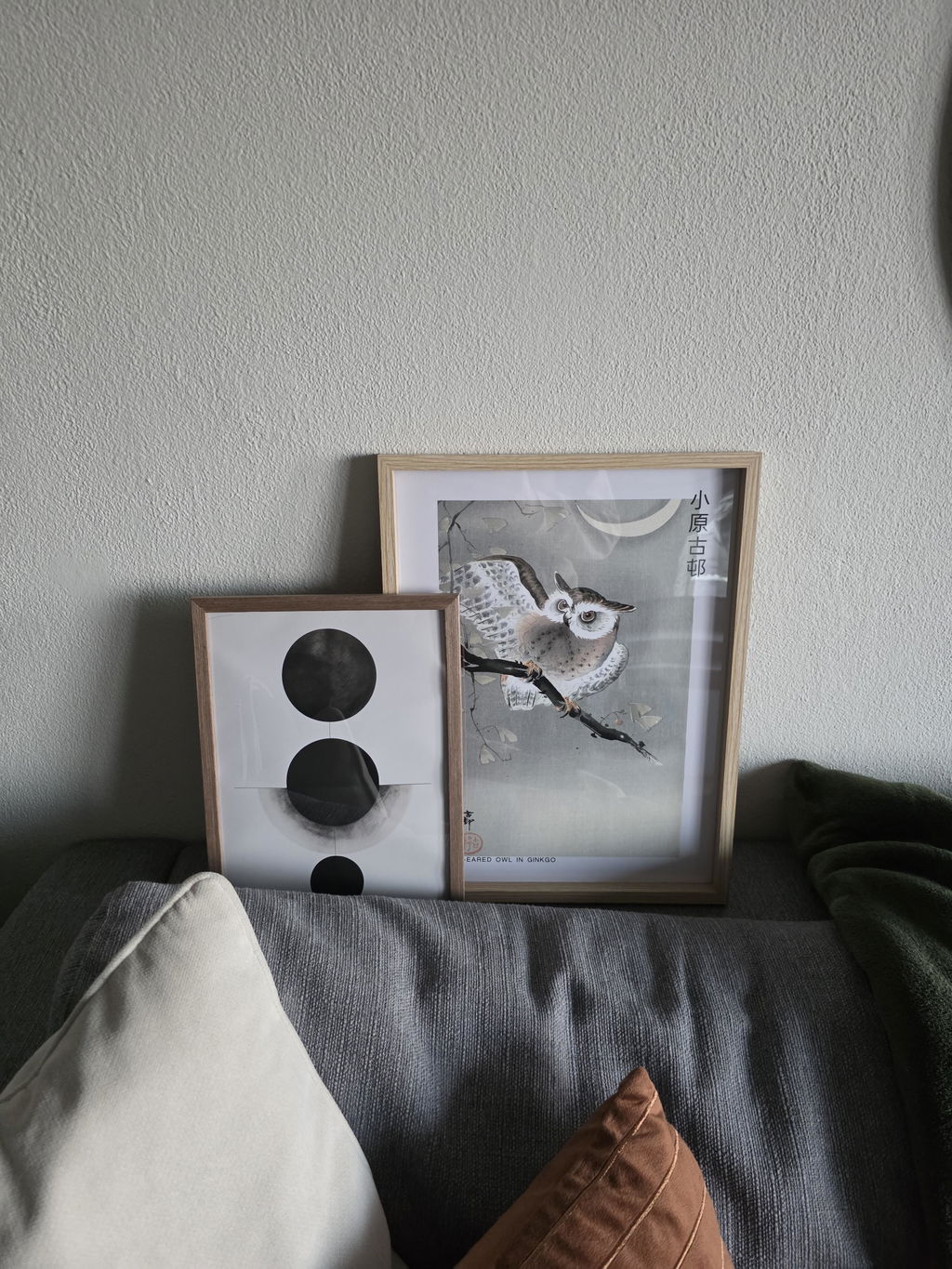
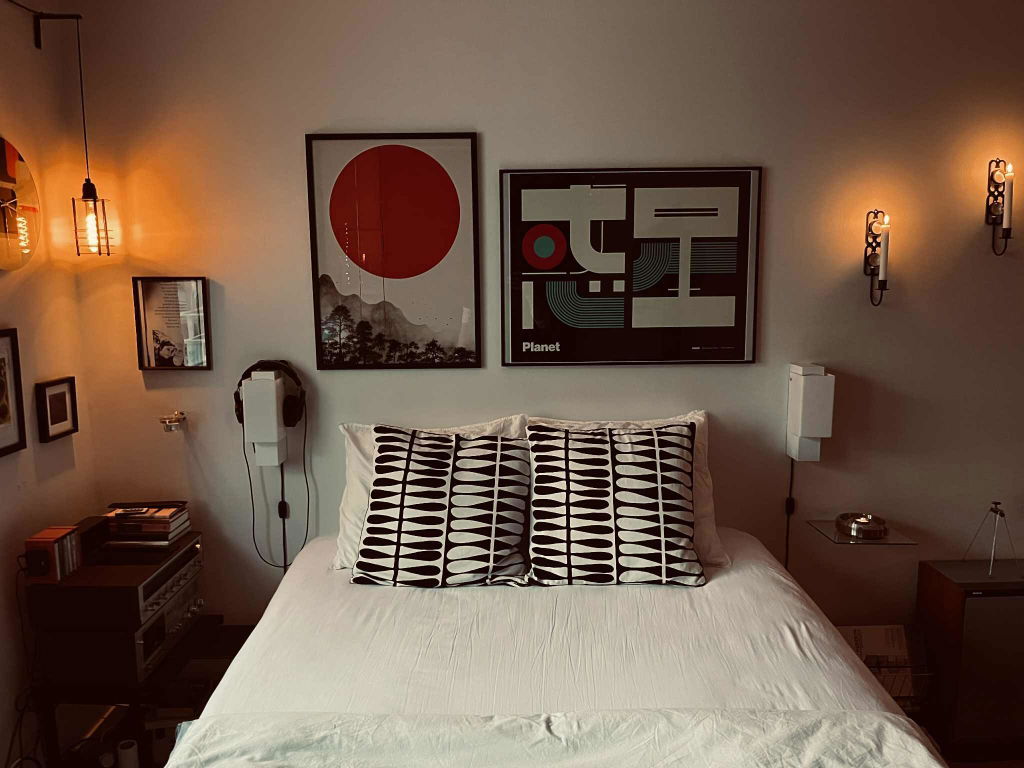
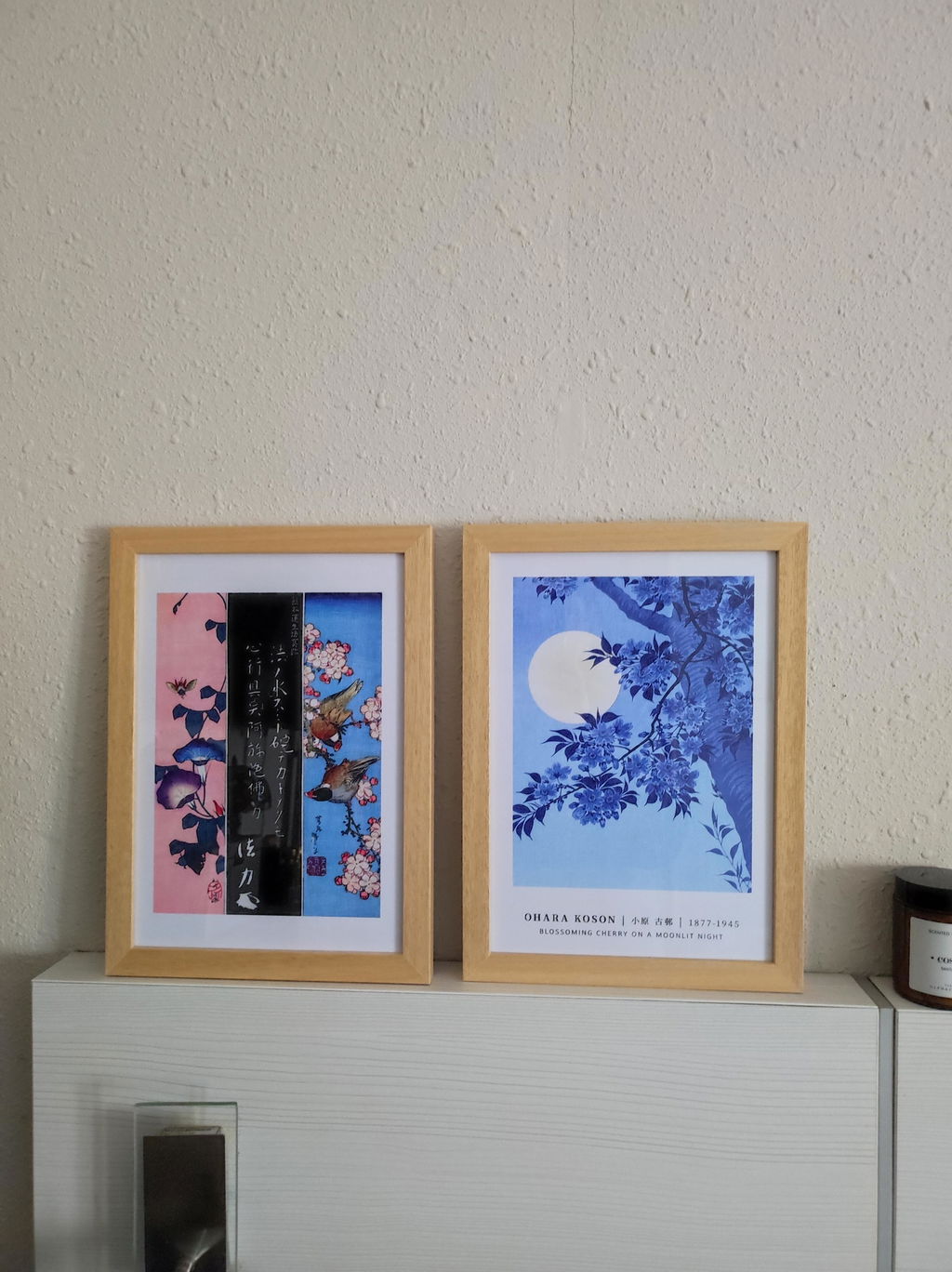
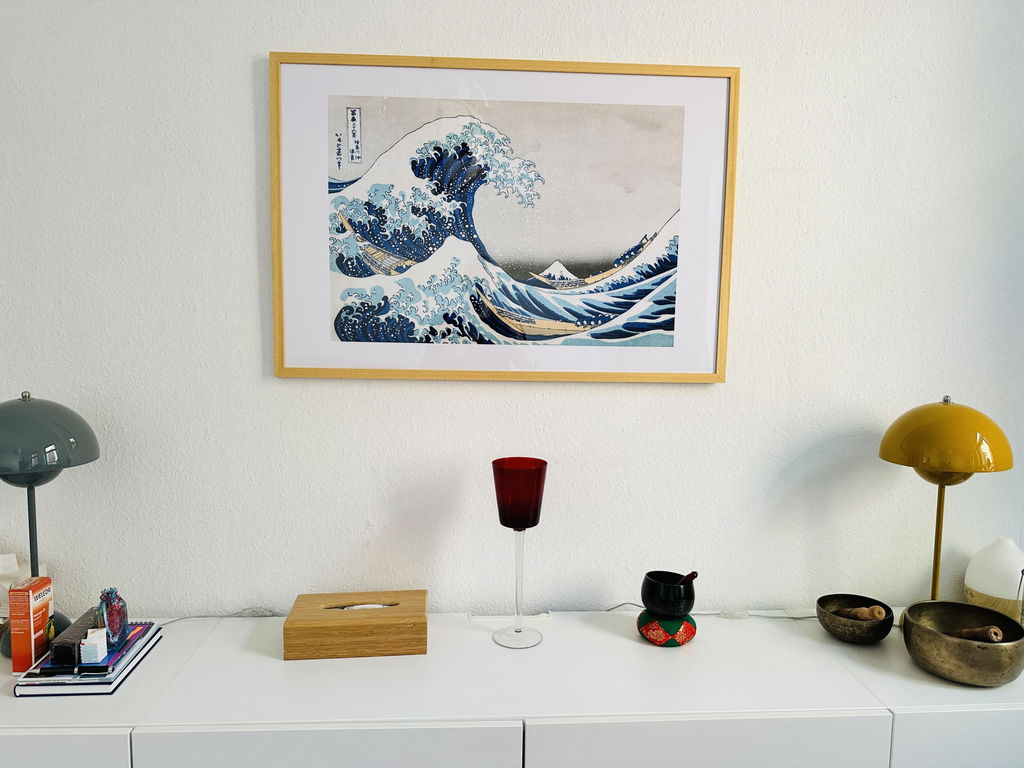
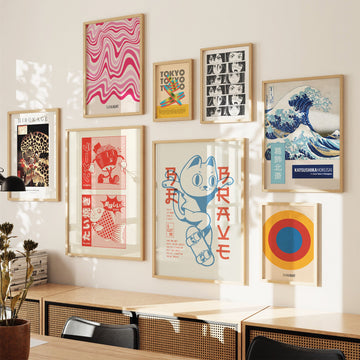
Colgada en una pared clara, la lámina se convierte en un objeto sereno: una pequeña forma oscura sobre un amplio campo blanco. Encaja en un pasillo, en un rincón de lectura, en la pared de un espacio de trabajo o en cualquier habitación donde una imagen pequeña pueda mirarse despacio. Convive con limpieza junto a un solo rollo de caligrafía, otra imagen de animal en sumi-e o un trabajo lineal geométrico de estilo japandi.
Disponible como póster en papel artístico mate y grueso, como cuadro enmarcado con marco de madera, o como impresión sobre lienzo satinado de algodón, montado en un bastidor de madera y listo para colgar.
Preguntas frecuentes
¿Quién fue Matsumoto Hōji?
Un pintor japonés del siglo XVIII del círculo de la pintura a la tinta. Se documenta poco de su vida, pero su pequeña rana a la tinta circula ampliamente desde el Edo tardío como modelo de la economía del sumi-e.
¿Qué es el sumi-e?
La pintura a la tinta, una tradición adoptada de la práctica budista chan china y desarrollada después en Japón desde el periodo Muromachi. El pintor trabaja con una tinta negra sobre papel o seda absorbentes, en trazos que no se pueden corregir.
¿En qué se diferencia esta edición de la coloreada?
Esta edición monocroma reproduce el registro original de tinta negra sobre papel con el sello rojo. Una edición aparte, coloreada, introduce un tono verde en el cuerpo de la rana.
¿Dónde funciona especialmente bien la lámina?
En una pared clara, en un pasillo, un rincón de lectura o la pared de un pequeño espacio de trabajo. Se sitúa con limpieza junto a un rollo de caligrafía, otro estudio de animal en sumi-e o un trabajo lineal geométrico sencillo.
<< Leer menos
Periodo histórico de Japón: Edo 江戸 (1603-1868)
Descubre otras obras de Matsumoto Hoji
#Animal
•
#Black and White
•
#Frog
•
#Japanese Ink Painting
•
#Matsumoto Hoji
•
#Minimalist
•
#Monochrome
•
#Simple Brushwork
•
#Sumi-E
•
#Zen
•
#Zen Aesthetic