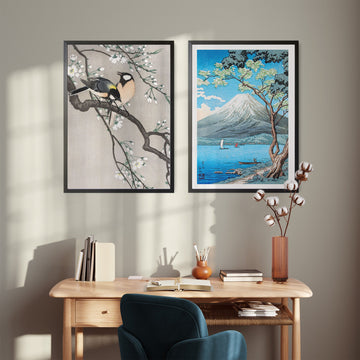
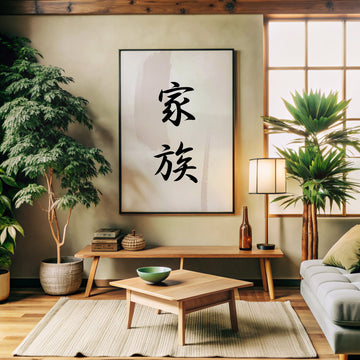
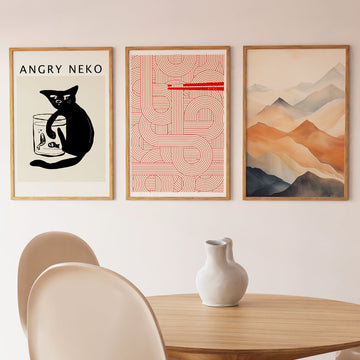
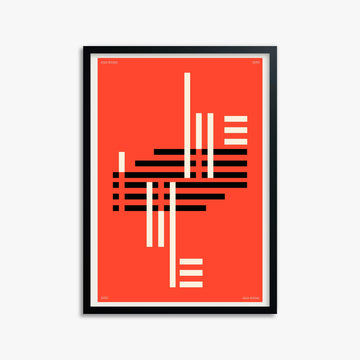
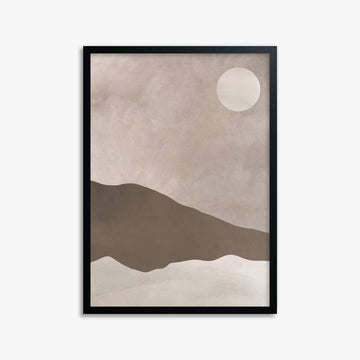
Tre forme della stessa immagine vivranno in modo diverso su una parete. Un foglio di carta sciolto, una stampa su carta sigillata dietro un pannello di acrilico in una cornice di legno e una tela con finitura satinata tesa su un telaio di legno: ciascuna porta l'opera nel proprio registro, e ciascuna si adatta a una stanza diversa, a un'opera diversa e a un diverso modo di viverla.
Questa guida è pensata per il momento prima dell'ordine. Non un trattato: la terremo sulle domande pratiche: cosa fa bene ciascuna forma, dove ciascuna mostra i suoi limiti e come abbinarla all'opera di cui ti sei innamorato, che sia una silografia del periodo Edo o un paesaggio contemporaneo scandi-minimal.
Le tre forme, in parole semplici
Art Print (carta). Una stampa piana su carta fine art di qualità museale. Nessuna cornice, nessuna copertura. Ricevi un unico foglio, pronto per la cornice che preferisci, o per nessuna cornice, se ami il look informale e appeso con del nastro che attraversa gli interni degli studi giapponesi e le pagine della rivista Kinfolk.
Stampa incorniciata. La stessa carta fine art, montata dietro un pannello di acrilico leggero e resistente agli urti — non vetro — dentro una solida cornice di legno (rovere, nero, bianco) e spedita pronta da appendere. L'acrilico è più leggero del vetro, non si frantuma durante il trasporto e riflette sensibilmente meno del vetro comune, pur non essendo completamente antiriflesso.
Stampa su tela. L'immagine stampata direttamente su tela artistica in 100% cotone da 370 g/m² con rivestimento satinato, tesa su un telaio di legno e spedita pronta da appendere. Nessun pannello di copertura. Dopo la stampa, il rivestimento satinato si legge come un morbido riflesso, né opaco né lucido: una finitura più vicina a una stampa fotografica fine art che a un tessuto grezzo. La trama del cotone è pronunciata e decorativa, ed è la superficie che la maggior parte dei musei usa per riprodurre grafiche a colori pieni e fotografia d'arte.
La decisione a colpo d'occhio
| Domanda | Art Print su carta | Stampa incorniciata (acrilico) | Stampa su tela (satinata) |
|---|---|---|---|
| Rende al meglio con | lavori a inchiostro monocromo minimale, sumi-e, disegni a linea, geometrie moderne, tipografia minimalista | ukiyo-e narrativi, silografie dettagliate, geometrie moderne e cerchi minimalisti dove i bordi netti contano | paesaggi shin-hanga atmosferici, paesaggi scandi nebbiosi, opere moderne stile acquerello, astratti saturi |
| Fascia di prezzo più bassa | da 10,80 € | da 38,80 € | da 69,80 € |
| Pronta da appendere | no — incornicia a parte | sì | sì |
| Riflesso della superficie | dipende dalla tua cornice | l'acrilico riflette, ma sensibilmente meno del vetro comune | morbido riflesso satinato — nessun punto luce netto, ma non completamente opaco |
| Rischio di rottura/frantumazione nel trasporto | nessuna superficie da rompere | l'acrilico non si frantuma — più sicuro da spedire e appendere | nessun pannello di copertura da rompere |
| Adatta ad ambienti umidi (bagno, cucina) | solo con un'incorniciatura adeguata | l'acrilico resiste alla condensa meglio del vetro | sì — nessun pannello |
| Adatta a chi è in affitto | sì — spedita arrotolata in un tubo | più leggera degli equivalenti incorniciati con vetro | leggera e piatta da maneggiare |
| Regge alle dimensioni XL (70×100) | sì, se incorniciata correttamente | sì — l'acrilico mantiene il peso ragionevole | sì — la tela grande si legge come un unico oggetto |
| Il look Kinfolk appoggiato sulla mensola | sì | a volte | raramente |
Leggi la matrice come una regola di smistamento morbida. Nessuna di queste è sbagliata. È una questione di ciò che si adatta.
Art Print su carta — quando funziona
La carta è la forma in cui nacquero le silografie. C'è un'onestà silenziosa in un foglio pulito di carta fine art accostato alla parete: è così che un curatore a Kyoto ti mostrerebbe una stampa del periodo Edo, ed è così che un designer a Copenaghen incornicia un sabato mattina.
Funziona particolarmente bene per le opere in cui la superficie è parte del significato.
Per l'arte giapponese classica, questo significa pezzi guidati dall'inchiostro: The Toad — Monochrome di Matsumoto Hoji, dipinto nel 1814 come un gesto d'inchiostro unico e quasi noncurante nella tradizione sumi-e, non chiede una barriera di vetro o acrilico. La carta senza mediazioni è il suo elemento.
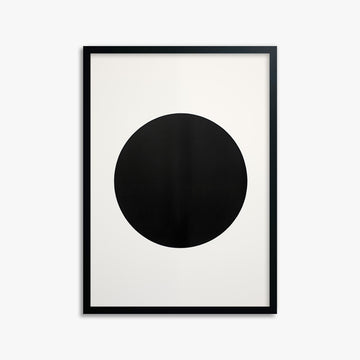
Per l'opera moderna, la carta è la casa naturale dei pezzi geometrici e minimalisti in cui la precisione dei bordi conta: un cerchio nero, una pulita fascia d'orizzonte, un poster tipografico. Eclipse Essence, un cerchio nero perfetto su crema, è il tipo di immagine in cui qualsiasi texture aggiunta (una pesante trama di tessuto, un riflesso indesiderato) interromperebbe il gesto. La carta mantiene onesta la geometria.
Il compromesso è piccolo: la sola carta prima o poi ha bisogno di una cornice se vuoi longevità, e ti chiede di pensare a quale cornice. Abbiamo scritto una guida alle cornici che copre le opzioni in rovere, nero e bianco, e come ciascuna cambi la temperatura dell'immagine.
Ideale per: sumi-e e lavori a inchiostro, disegni a linea, pezzi geometrici e minimalisti moderni, opere tipografiche, opere calligrafiche, tutto ciò in cui lo spazio negativo o la precisione dei bordi fa il lavoro. Inoltre: chi è in affitto, chi trasloca spesso, chiunque preferisca scegliere la propria incorniciatura più avanti.
Stampa incorniciata — quando funziona
Una stampa incorniciata è la versione a cui non devi pensare due volte. Arriva, la appendi, è fatta.
Due cose da sapere sulla cornice stessa. Primo: il pannello protettivo davanti alla carta è acrilico, non vetro. È più leggero, non si frantuma e riflette meno del comune vetro da finestra, pur non essendo completamente antiriflesso come può esserlo il vetro specialistico da museo. Secondo: la cornice è in legno massello (rovere, nero o bianco) — non il truciolato impiallacciato che troveresti in un grande rivenditore. L'analisi completa è nella guida alle cornici.
È la forma che consiglieremmo per opere dettagliate e narrative in cui vuoi avvicinarti e leggere il tratto.
Per l'arte classica, è il territorio d'elezione dell'ukiyo-e. The Tiger of Ryōkoku di Utagawa Hirokage, del 1859, è un buon esempio: una tigre e un gallo nel mezzo di uno scontro, pieno di piccoli gesti che beneficiano del contenimento visivo che una cornice offre.
Per l'opera moderna, la carta incorniciata è anche la risposta quando la precisione geometrica conta e vuoi un look da galleria rifinito. Un pulito pezzo geometrico moderno — cerchi, fasce d'orizzonte, tipografia netta — rende al massimo con la nitidezza che la carta trattiene e il silenzioso contenimento di una cornice, lontano dalla trama di cotone che la tela porta in superficie.
Una nota pratica sul riflesso. Il pannello di acrilico riflette meno del vetro comune, ma riflette comunque. In ambienti con forte luce solare diretta o una finestra di fronte alla parete, può essere un piccolo problema. La soluzione è o una parete che il sole non colpisce direttamente o — se vuoi essere più prudente — un'edizione su tela.
Ideale per: ukiyo-e e shin-hanga in dimensioni da piccole a medie (dalla XS alla M), pezzi geometrici e minimalisti moderni, composizioni a parete-galleria, regali, situazioni in cui vuoi un look rifinito già pronto.
Stampa su tela — quando funziona
La tela si legge come più calda della carta. Il supporto in 100% cotone porta l'immagine con una presenza più vicina a un dipinto che a una stampa. Il rivestimento satinato dopo la stampa dà un riflesso morbido e uniforme — nessun punto luce netto come l'acrilico, ma nemmeno la secchezza piatta del vero opaco. I colori restano saturi; la trama del cotone resta visibile e decorativa.
Funziona particolarmente bene per opere atmosferiche, pittoriche e guidate dal colore — pezzi in cui luce, atmosfera, sfumatura o umore sono il soggetto.
Per l'arte classica, i paesaggi shin-hanga sono un abbinamento ovvio. Mount Fuji from Lake Yamanaka di Takahashi Hiroaki Shōtei, con la sua riva di ciliegi in fiore e il Fuji nella foschia, vive più a suo agio sul cotone che sotto l'acrilico: la superficie satinata trattiene la profondità della sfumatura senza imporre un duro strato riflettente.
Per l'opera moderna, la tela è la casa naturale dei paesaggi scandi-minimal, degli orizzonti nebbiosi, dei pezzi stile acquerello e di tutto ciò in cui i colori dovrebbero risultare ricchi anziché stampati-piatti. Mesa Dawn, un paesaggio desertico minimalista con montagne, accoglie la superficie della tela satinata come un'estensione naturale della sua palette atmosferica: la trama approfondisce il calore invece di lavorarle contro.
La tela è anche la forma da considerare per le grandi dimensioni. In formato XL (70×100 cm), un pezzo incorniciato con acrilico e una modanatura di legno diventa ingombrante e pesante. Una tela tesa della stessa dimensione è più leggera, più facile da maneggiare e si legge come un unico oggetto sulla parete anziché come una carta racchiusa in una cornice.
Un'avvertenza: la tela esagera la texture di ciò che è già nell'immagine. Tratto netto, opere tipografiche nitide e pezzi puramente geometrici — il cerchio nero perfetto di Eclipse Essence, un pulito orizzonte a due fasce, un monocromo quadrato — possono perdere un pizzico di precisione contro la trama di cotone visibile. Se contano bordi e geometria, la carta o la carta incorniciata è la scelta migliore. La tela è per il colore, l'umore e l'atmosfera.
Ideale per: shin-hanga e paesaggi classici atmosferici, paesaggi moderni scandi-minimal, pezzi stile acquerello, astratti moderni saturi, grandi formati (L e XL), ambienti umidi, pareti con forte illuminazione direzionale dove il riflesso sarebbe un problema.
E i pezzi Japandi moderni nello specifico?
Una breve nota, perché vendiamo tanti pezzi moderni quanti classici. La logica formato-stile è la stessa in entrambe le epoche:
- Lavori moderni a linea monocroma / stile inchiostro minimalista → carta, incorniciata dopo se lo desideri
- Geometrie moderne / cerchi / tipografia netta / blocchi di colore puliti → carta incorniciata (l'acrilico mantiene i bordi netti)
- Paesaggi scandi nebbiosi / stile acquerello / astratti moderni atmosferici → tela
- Reinterpretazioni moderne di opere del periodo Edo (ad es. le versioni streetart del Rospo di Hoji) → carta o carta incorniciata in dimensioni piccole/medie; la tela funziona da L in su se la versione tende al pittorico
La forma segue l'immagine, non l'epoca.
Fianco a fianco: le domande pratiche
La stanza. Bagni e cucine prediligono la tela (nessun pannello di acrilico da appannare, nessuna condensa sulla sigillatura). I soggiorni con luce controllata vanno bene per tutte e tre. Le camere da letto con una finestra di fronte al letto soffrono spesso con l'acrilico incorniciato — la tela o la carta non incorniciata è più gentile.
La luce. La luce solare diretta e radente è il caso più difficile. Il pannello di acrilico riflette meno del vetro, ma riflette comunque. Se la parete riceve il sole del tardo pomeriggio, orientati verso la tela, oppure colloca il pezzo incorniciato su una parete adiacente.
La parete. Intonaco e cartongesso reggono qualsiasi cosa. Le sottili pareti divisorie e gli appartamenti in affitto gestiscono comodamente le nostre stampe incorniciate perché il pannello di acrilico è più leggero del vetro — in formato XL, la differenza si somma.
L'opera stessa. Fidati di ciò di cui ha bisogno l'immagine. Inchiostro, linea, geometria, bordi netti → carta, incorniciata o non incorniciata. Colore, luce, atmosfera, umore, sfumatura pittorica → tela. Questa regola vale sia che l'artista abbia lavorato nel Giappone di Edo sia lo scorso anno a Stoccolma.
La durata. Tutte e tre usano materiali di grado archivistico. Dietro il pannello di acrilico, la carta è la più protetta da polvere e umidità. La tela resiste bene allo sbiadimento ma può raccogliere polvere in superficie nel corso dei decenni. La carta non incorniciata dipende interamente dalla cornice che sceglierai.
Spedizione e manipolazione. La carta si arrotola in un tubo e sopravvive alla maggior parte delle cose. Le stampe incorniciate con acrilico vengono spedite piatte e arrivano senza il rischio di frantumazione che avrebbe un pezzo incorniciato con vetro. La tela viene spedita piatta, leggera, ed è la meno soggetta a danni durante il trasporto.
Come scegliere per il tuo spazio
Una breve regola pratica: abbina la forma all'opera, poi verifica con un occhio critico rispetto alla stanza.
- Linea, inchiostro, geometrico, tipografico, precisione minimalista → carta, incorniciata dopo se vuoi
- Opere narrative dettagliate, finitura da galleria, regalo → stampa incorniciata (acrilico, non vetro)
- Paesaggio atmosferico, colore pittorico, umore scandi-minimal o shin-hanga → tela
- Ambiente umido o luce dura → tela a prescindere dall'opera
- Scala XL → tela per leggerezza, o stampa incorniciata se l'opera è guidata dalla linea
Per la dimensione, la guida interattiva alle misure fa i conti visivi meglio delle parole. Mostra un'anteprima di ciascun formato su una parete alla tua stessa altezza del soffitto.
Se sei ancora indeciso, la domanda più utile da porsi è: voglio che si legga come una stampa o come un quadro? La carta e la carta incorniciata si leggono come stampe. La tela si legge come un quadro. Entrambe sono risposte giuste — sono solo risposte diverse.
Domande frequenti
Il pannello della cornice è vero vetro?
No. Usiamo un pannello di acrilico leggero e resistente agli urti — non vetro. È più leggero da spedire e appendere, non si rompe nel trasporto e riflette meno del comune vetro da finestra, pur non essendo completamente antiriflesso.
La vostra tela è opaca?
No. È una tela artistica in 100% cotone da 370 g/m² con rivestimento satinato. Dopo la stampa, la superficie si legge come un morbido riflesso satinato — né lucida né opaca. La trama del cotone resta visibile come elemento decorativo.
Una stampa su tela è di qualità migliore di una stampa su carta?
No — diversa, non migliore. Entrambi i materiali sono archivistici. La scelta giusta dipende dall'opera e dalla stanza, non da quale sia "migliore". Le opere geometriche e guidate dalla linea si addicono alla carta; le opere atmosferiche e pittoriche si addicono alla tela.
Posso avere la stessa opera in tutte e tre le forme?
Sì — la maggior parte del catalogo Japandi.art è disponibile come Art Print su carta, Stampa incorniciata e Stampa su tela. La forma è un'opzione di misura-e-finitura su ogni pagina prodotto.
Una stampa incorniciata mostrerà riflessi sull'acrilico?
L'acrilico riflette, ma sensibilmente meno del vetro comune. Sulla maggior parte delle pareti con la normale luce interna questo non è un problema. Su pareti rivolte verso una finestra o sotto forti faretti dall'alto, considera di passare alla tela, che non ha alcuna copertura riflettente.
Quale opzione è la più pesante da appendere?
Le stampe incorniciate con cornice di legno e pannello di acrilico sono le più pesanti tra le opzioni pronte da appendere, ma più leggere dei pezzi equivalenti incorniciati con vetro. La tela è la più leggera. La sola carta non pesa quasi nulla.
Qual è il regalo migliore?
Le stampe incorniciate sono le più adatte come regalo — arrivano rifinite, senza passaggi extra, e il pannello di acrilico sopravvive all'apertura del pacco senza rischi. La tela funziona in modo simile. I rotoli di carta sono un bellissimo regalo se il destinatario ha già un corniciaio o un piano chiaro.
Le stampe su tela sbiadiscono al sole?
Le nostre stampe su tela usano inchiostri a base di pigmenti valutati per la longevità in esposizione interna. Come per ogni opera, evita di appenderla alla luce solare diretta e prolungata se desideri la massima durata. Questo vale allo stesso modo per la carta e per le stampe incorniciate.
La risposta più lunga a "quale dovrei ordinare?" è di solito la stessa della risposta a "quale forma preferirebbe essere l'opera?" — e nella maggior parte dei casi, sarà l'immagine stessa a dirtelo. Se desideri un secondo parere su un pezzo specifico, il blog di Japandi.art approfondisce nel tempo altre di queste decisioni.
— Japandi.art